You Won’t Believe What I Found in Rovaniemi’s Winter Wilderness
Stepping into Rovaniemi feels like entering a living snow globe—silent forests, glowing auroras, and air so crisp it sparks your senses. I came for the Arctic vibe, but stayed for the raw beauty of nature’s quiet power. From frozen rivers to silent fells, this isn’t just a destination; it’s a soul reset. If you’ve ever dreamed of true winter magic, let me take you where the wild north whispers. Rovaniemi, perched just above the Arctic Circle in Finnish Lapland, offers an experience unlike any other—where modern life meets untouched wilderness and the rhythm of the seasons shapes every moment. This is not a place of noise or haste, but of stillness, clarity, and wonder that settles deep in the bones.
Arrival in the Arctic: First Impressions of Rovaniemi
Reaching Rovaniemi is part of the adventure. Most travelers arrive via a short flight into Rovaniemi Airport, a gateway that welcomes visitors year-round. In winter, the descent reveals a world blanketed in white, where snow-laden pines bow under their icy coats and frozen lakes shimmer like polished glass beneath the pale sun. The contrast is striking: a compact, thoughtfully designed city nestled within an expanse of untamed wilderness. Though rebuilt after World War II with modernist architecture, Rovaniemi retains a Nordic charm, with clean lines, warm wooden interiors, and a deep respect for its natural surroundings.
Upon arrival, the cold greets you immediately—a sharp, clean breath that clears the mind. But it’s not an unwelcoming cold; rather, it’s invigorating, almost purifying. The city functions as a thoughtful bridge between comfort and adventure. Hotels, cafes, and visitor centers are well-prepared for Arctic conditions, offering thermal gear rentals and expert guidance. Yet within minutes of leaving the city center, the silence of the forest takes over. There are no crowds, no traffic noise—just the soft crunch of snow underfoot and the distant call of a raven echoing across the treetops.
What makes Rovaniemi exceptional is its role as a true gateway. Unlike more remote Arctic outposts, it provides easy access to pristine nature without sacrificing accessibility. Families, solo travelers, and older visitors can all find suitable entry points into the wilderness. Whether it’s a guided snowshoe tour just outside town or a day trip to a reindeer farm, the city opens doors to experiences that feel both authentic and safe. This balance—between civilization and solitude—is what sets Rovaniemi apart from other northern destinations.
The Magic of the Midnight Sun and Polar Nights
One of the most profound aspects of life in Rovaniemi is the dramatic shift in daylight throughout the year. In summer, the Midnight Sun bathes the region in near-constant light. From late May to mid-July, the sun dips just below the horizon but never fully sets, casting a golden glow over the landscape for 24 hours a day. This phenomenon transforms the experience of time. Hiking trails remain visible at midnight, children play outside at 10 p.m., and cafes serve dinner in broad daylight at 11 p.m. It’s disorienting at first, but soon becomes part of the rhythm—a reminder that in the Arctic, nature sets the clock.
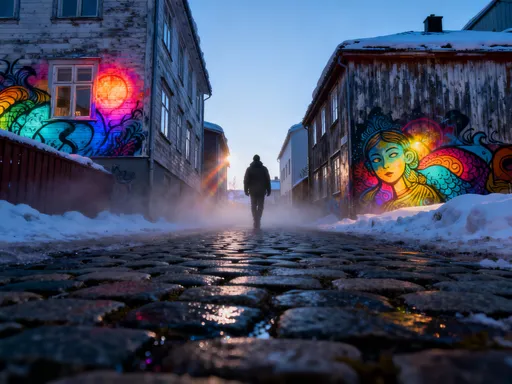
Conversely, winter brings the Polar Night, known locally as *kaamos*. From mid-December to early January, the sun does not rise above the horizon. Yet this is not a time of total darkness. A soft twilight lingers for a few hours each day, painting the snow in shades of lavender and blue. Streetlights and cabin windows glow warmly, creating a sense of intimacy and shelter. Locals adapt with resilience and grace, using the season for reflection, indoor crafts, and quiet family time. Many embrace the darkness with candlelit evenings, sauna rituals, and storytelling—traditions that honor the pause winter brings.
For visitors, both extremes offer unique emotional experiences. The endless summer light fosters energy and exploration, while the winter twilight encourages introspection and presence. Understanding these natural cycles deepens the connection to the region. Rather than resisting the dark or over-scheduling the light, travelers are invited to move with the seasons. A summer visit might include midnight kayaking on a glassy lake, while a winter trip could feature a silent evening walk beneath the stars. Each moment feels heightened, as if the land itself is teaching a slower, more attentive way of living.
Chasing the Northern Lights: A Natural Wonder Like No Other
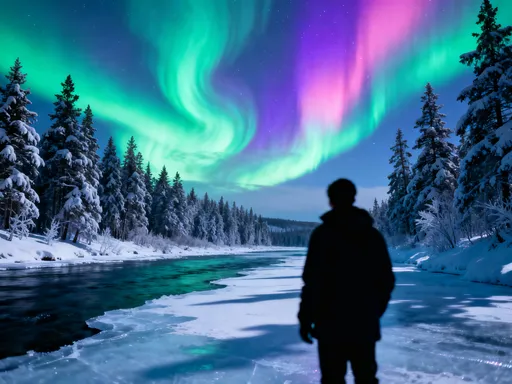
No Arctic journey is complete without witnessing the aurora borealis—the Northern Lights. This celestial dance of green, purple, and sometimes red ribbons across the night sky is one of nature’s most breathtaking spectacles. While Rovaniemi lies just south of the prime auroral zone, its location still offers frequent sightings between September and March, especially on clear, cold nights away from city lights. The science behind the lights is fascinating: charged particles from the sun collide with Earth’s magnetic field, exciting oxygen and nitrogen molecules in the upper atmosphere, which then release light.
But beyond the science is the feeling—an almost spiritual awe that defies description. Standing beneath the auroras, one feels small in the best possible way: humbled by the vastness of the cosmos, yet deeply connected to the planet’s invisible forces. The lights move silently, swirling and pulsing as if alive, sometimes lasting only minutes, other times stretching for hours. There is no guarantee, which makes each sighting feel like a gift.
To maximize the chances, visitors are advised to leave the city for darker areas. Locations such as the Ounasvaara fell or the edge of the Arctic Forest just beyond the airport offer ideal viewing conditions. Many tour operators provide guided aurora safaris, complete with warm shelters, hot drinks, and expert photographers who help capture the moment. Dressing in layers, bringing a tripod, and practicing patience are essential. But more than any tip, it’s the mindset that matters: going not just to see, but to witness. In those quiet moments under the stars, with the cold air on your face and the sky alive above, something shifts. It’s not just a photo opportunity—it’s a memory etched into the soul.
Into the Wild: Hiking and Nature Trails Beyond the City
While Rovaniemi itself is compact, its surrounding wilderness is vast and accessible. One of the most rewarding ways to experience Lapland’s natural beauty is through its network of hiking trails. In summer, the landscape bursts into life—moss-covered fells, crystal-clear streams, and forests filled with blueberries and cloudberries. Trails like those in the nearby Pallas-Yllästunturi National Park stretch for hundreds of kilometers, offering routes for all skill levels. Wooden boardwalks wind through marshlands, while well-marked paths climb gentle slopes, revealing panoramic views of undulating tundra and distant lakes.
Winter transforms these same trails into silent wonderlands. Snowshoeing and cross-country skiing become the primary means of travel, allowing visitors to glide across snow-packed routes with minimal impact on the terrain. The stillness is profound. With no leaves on the trees and the ground muffled by deep snow, sound travels differently—every footstep, every breath, feels amplified. Yet the forest is far from empty. Tracks of foxes, hares, and even lynx can be seen in the snow, telling stories of nocturnal life. Birdwatchers may spot the Siberian jay or the willow grouse, both adapted to the harsh climate.
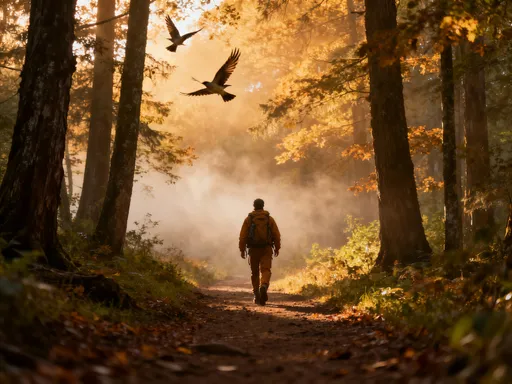
What makes these trails special is their authenticity. Unlike heavily developed tourist parks, Lapland’s wilderness remains largely untouched. There are no loud signs, no vending machines, no fences. Instead, visitors are guided by simple wooden markers and an unspoken code of respect: take only photos, leave only footprints. The Finnish concept of *jokamiehenoikeus*—everyman’s right—ensures public access to nature while emphasizing responsibility. Hiking here is not just exercise; it’s a dialogue with the land, a chance to slow down and notice the small wonders: the way frost clings to pine needles, the sound of a distant river cracking under ice, the sudden flash of a red squirrel darting through the trees.
River Journeys: The Frozen Beauty of the Kemijoki
At the heart of Rovaniemi flows the Kemijoki River, Finland’s longest river, stretching over 500 kilometers from the hills of northern Lapland to the Gulf of Bothnia. In summer, it’s a vital waterway for boating and fishing, but in winter, it undergoes a stunning transformation. The surface freezes solid, covered in snow that creates a smooth, endless plain. Walking on the frozen river is a surreal experience—feeling the vastness beneath your feet, knowing that just months before, powerful currents flowed here.
Local guides often lead ice walks along the Kemijoki, using special traction devices on boots for safety. As you move across the ice, you notice the subtle textures: pressure ridges where the ice has shifted, air bubbles trapped in clear layers, and the faint blue glow beneath the snow. In some areas, holes are drilled for ice fishing, a traditional pastime where locals sit in small huts, waiting patiently for perch or pike. The river remains a lifeline, not just for recreation, but for the ecosystem. Beneath the ice, fish continue their slow winter rhythms, while birds like the kingfisher dive through open water near rapids.
The sensory experience is unforgettable. The wind carries the scent of pine and cold water. The silence is broken only by the occasional groan of the ice—a deep, resonant sound that reminds you of the river’s hidden power. In the distance, reindeer may be seen grazing along the banks, their breath rising in white plumes. The Kemijoki is more than a scenic feature; it’s a symbol of continuity, a constant presence that connects the seasons and the people who live alongside it. To walk its frozen surface is to feel time slow, to witness nature’s quiet resilience.
Sustainable Encounters: Experiencing Nature Without Disrupting It
As tourism grows in Arctic regions, the need for responsible travel becomes ever more urgent. Rovaniemi and its surrounding wilderness are fragile environments, shaped by delicate ecological balances. A single misstep—straying from trails, disturbing wildlife, or leaving waste—can have lasting consequences. That’s why sustainable tourism isn’t just a recommendation here; it’s a necessity. The goal is not to prevent visitation, but to ensure it happens in a way that protects the very beauty that draws people in.
Visitors are encouraged to follow simple but powerful principles. Staying on marked trails prevents soil erosion and protects slow-growing Arctic plants. Feeding or approaching wildlife, especially reindeer and birds, is discouraged to avoid altering natural behaviors. Many tour operators in Rovaniemi are certified by sustainability programs such as the Finnish Ecolabel or the Arctic Fox Initiative, ensuring that their practices minimize environmental impact. These include using electric or low-emission vehicles, serving local and organic food, and educating guests about conservation.
Equally important is cultural respect. The Sámi people, the Indigenous inhabitants of northern Finland, have lived in harmony with this land for thousands of years. Their traditions, language, and reindeer herding practices are integral to the region’s identity. Responsible travelers seek experiences that honor Sámi culture—such as visiting family-run reindeer farms or attending storytelling sessions—rather than commercialized imitations. Supporting local artisans, staying in family-owned accommodations, and choosing small-group tours all contribute to a tourism model that benefits the community, not just outside corporations.
Ultimately, sustainability is about mindset. It’s understanding that every choice has an impact, and that the privilege of visiting such a pristine place comes with responsibility. The Arctic does not need more footprints—it needs stewards. By traveling mindfully, visitors help ensure that future generations can also stand beneath the auroras, walk the frozen rivers, and hear the whisper of the wild north.
Why Rovaniemi Stays With You: The Lasting Power of Arctic Nature
There is a quiet transformation that happens in Rovaniemi—one that may not be obvious until you return home. It’s not just the photos or souvenirs, but a shift in perspective. The vastness of the landscape, the depth of the silence, the rhythm of the seasons—they leave an imprint. In a world that often feels too fast, too loud, too crowded, Rovaniemi offers a different way of being: slower, more attentive, more connected.
Many visitors describe a sense of clarity after their time in the Arctic. The simplicity of life here—waking with the light, moving with the weather, resting when the cold demands it—strips away distractions. Without constant notifications or urban noise, the mind settles. Thoughts become sharper. Emotions feel more honest. For women in their 30s to 50s, who often juggle family, work, and personal goals, this kind of reset is invaluable. It’s not an escape, but a recalibration—a chance to remember what matters.
The natural world in Rovaniemi does not demand anything. It simply is. And in its presence, you begin to understand your own place within it. You see how small actions—like leaving no trace or supporting local guides—can contribute to something larger. You feel the strength in stillness, the beauty in restraint, the wisdom in waiting. These are not just lessons for travel, but for life.
Rovaniemi does not shout. It whispers. And if you listen closely, it tells you that wonder still exists, that nature still holds mysteries, and that peace is not found in silence alone—but in the courage to slow down and hear it. So if you’ve ever dreamed of a journey that changes more than your itinerary, consider the Arctic. Let the snow cleanse your steps, the cold sharpen your senses, and the northern lights remind you of the magic that remains when we stop rushing and start seeing. The wild north is waiting—not to impress, but to invite.