You Won’t Believe These Hidden Gems in Ghent’s Architecture
Ghent, Belgium, is like a living storybook where every street corner whispers history. I was blown away by how much character the city’s architecture holds—from towering medieval spires to hidden courtyards frozen in time. If you’re planning a visit, trust me, knowing what to look for makes all the difference. This isn’t just about ticking off landmarks; it’s about seeing the soul of the city through its stunning buildings. Let me show you how.
Why Ghent’s Architecture Stands Out
Ghent’s architectural identity is a rare blend of resilience, artistry, and historical continuity. Unlike many European cities that modernized aggressively after the wars, Ghent preserved its medieval core with remarkable care. The result is a skyline shaped not by compromise but by intention—where Gothic spires rise beside Renaissance facades, and 19th-century guild houses stand shoulder to shoulder with contemporary glass structures. This harmony didn’t happen by accident. It reflects centuries of civic pride, economic strength from the textile trade, and deliberate preservation policies that began as early as the 1960s.
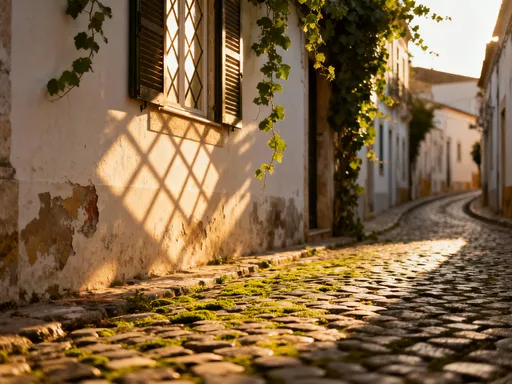
What truly sets Ghent apart is the authenticity of its urban fabric. Many historic cities have restored their centers to near-perfection, but Ghent feels lived-in, not curated. You’ll find ivy creeping up 15th-century brickwork, laundry hanging from upper windows, and flower boxes blooming on wrought-iron balconies. These small, everyday details add warmth to the grandeur. The city’s layout, shaped by the winding River Leie, enhances this charm. The waterways were once vital for transporting wool and grain, but today they reflect the city’s skyline like a mirror, doubling the beauty with shimmering silhouettes at dawn and dusk.
The blend of architectural styles tells a story of prosperity, conflict, and renewal. Gothic structures like St. Bavo’s Cathedral and the Belfry speak to Ghent’s religious and civic power in the Middle Ages. The ornate gables of the Graslei and Korenlei, once home to wealthy merchants, reflect the Renaissance influence brought by trade with England and France. Later, neoclassical and eclectic buildings from the 1800s show the city’s adaptation during industrialization. Today, Ghent’s residents honor this layered past while embracing thoughtful modernization. It’s a city that respects time without being trapped by it, making every walk through its streets a journey through centuries.
Gravensteen: The Castle That Defines the Skyline
Rising from the banks of the River Leie like a stone sentinel, Gravensteen is one of Ghent’s most iconic landmarks. Built in 1180 by Count Philip of Alsace, this imposing fortress was both a residence and a symbol of feudal power. Its thick limestone walls, crenellated battlements, and central keep reflect classic medieval military architecture, designed to withstand siege and project authority. Walking through its arched gate feels like stepping into a different era—one of knights, court intrigue, and the clang of blacksmiths’ hammers echoing from the on-site forge, which is still demonstrated for visitors today.
What makes Gravensteen remarkable is not just its preservation but its central role in the city’s identity. Unlike many castles located on remote hills, this one sits at the heart of Ghent, anchoring the historic district. Its position allowed the count to oversee trade along the river and maintain control over the increasingly independent burghers. Over the centuries, it served as a residence, courthouse, and even a cotton mill before being restored in the early 20th century. Today, it stands as a museum where visitors can explore its dungeons, climb the tower for panoramic views, and see authentic armor and weaponry from the Middle Ages.
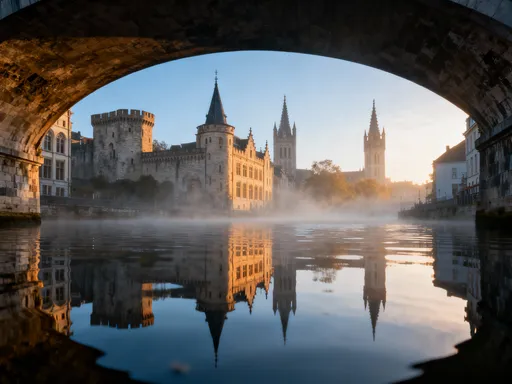
To truly appreciate Gravensteen, timing is everything. Visiting during golden hour—just before sunset—transforms the castle into a warm, honey-colored silhouette against the soft sky. The reflections in the Leie double its grandeur, creating one of the most photographed scenes in Belgium. For a less crowded experience, arrive when the castle opens at 10 a.m. or visit on a weekday morning. Purchasing tickets online in advance saves time and guarantees entry, especially during peak tourist seasons. Stand on the Sint Lievawalle bridge for the classic view, or walk downstream toward the Vrijdagmarkt for a quieter, more intimate perspective.
St. Bavo’s Cathedral: Where Art and Stone Meet
No exploration of Ghent’s architecture is complete without a visit to St. Bavo’s Cathedral, a masterpiece of evolving styles and spiritual significance. Originally built as a Roman Catholic church in the 14th century, it incorporates Romanesque foundations, a Gothic nave, and a strikingly slender spire that reaches 89 meters into the sky. The exterior, with its intricate stone tracery and sculpted saints, invites quiet admiration, but it’s the interior that holds one of the most treasured artworks in Western history: The Adoration of the Mystic Lamb, also known as the Ghent Altarpiece.
Created by the Van Eyck brothers in 1432, this polyptych altarpiece is a landmark in the development of oil painting and naturalistic detail. Its panels depict biblical scenes with astonishing realism—from the texture of lamb’s wool to the glint in an angel’s eye. The artwork has survived iconoclasm, theft, and war, and today it’s housed in a climate-controlled case within the cathedral’s Choir Chapel. Viewing it in person is a moment of awe, made even more powerful by the soft light filtering through stained glass and the hushed reverence of fellow visitors.
To fully appreciate St. Bavo’s, plan your visit for early morning. The sunlight streams through the eastern windows around 9:30 a.m., illuminating the altarpiece with a gentle glow. Crowds are thinner before noon, allowing for quiet contemplation. After your visit, take a moment to sit in the small garden behind the cathedral, a peaceful retreat with benches shaded by tall trees. It’s a perfect place to reflect on the centuries of faith, artistry, and resilience embodied in the stones around you. The cathedral is not just a building; it’s a living archive of human creativity and devotion.
The Hidden Courtyards: Ghent’s Best-Kept Secrets
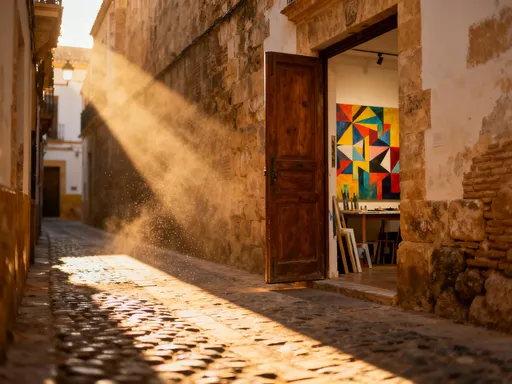
Behind unmarked doors and narrow alleyways, Ghent hides a network of tranquil courtyards known as *hofs*. These medieval almshouse complexes were originally built to house the elderly and poor, funded by religious brotherhoods or wealthy benefactors. Today, they remain functional communities—many still offering low-cost housing—but they are also oases of calm in the bustling city. With their cobblestone paths, arched walkways, and tiny flower-filled gardens, the *hofs* offer a glimpse into a quieter, more intimate side of Ghent’s architectural heritage.
One of the most beautiful is Hof van Ryhove, located just behind the Belfry. Once a 15th-century noble residence, it now opens to the public and features a symmetrical courtyard with a central fountain and climbing ivy. Another gem is Hof van Busleyden, named after a Renaissance humanist, which blends Gothic and early Renaissance design with ornate stone carvings and a sense of serene order. These spaces were designed not just for shelter but for dignity—each resident had a small room opening onto the courtyard, ensuring light, air, and a sense of community.
Finding these courtyards can feel like a treasure hunt. Some are clearly marked, while others require a second glance at an otherwise ordinary door. A self-guided walking map, available from the Ghent Tourist Office or through local apps, can help you locate over a dozen of these hidden retreats. Alternatively, join a guided ‘Hof Walk’ offered by local heritage groups, where knowledgeable guides share stories of the residents, architects, and historical events tied to each site. Whether you explore alone or with a group, the *hofs* invite slowness—encouraging you to pause, observe the weathered brickwork, and imagine the lives that have unfolded within these quiet walls for more than 500 years.
Towering Spires: Spotting Ghent’s Three Famous Steeples
Ghent’s skyline is defined by three majestic steeples that rise like sentinels above the red-tiled roofs: St. Nicholas’ Church, the Belfry, and St. Michael’s Church. Together, they form a trio known locally as the *Drie Leuwen* (Three Lions), symbolizing the city’s historical power and independence. Each spire has its own architectural character and story, and seeing them together—especially from across the River Leie—is one of the most breathtaking experiences in the city.
St. Nicholas’ Church, completed in the 13th century, is a masterpiece of Scheldt Gothic architecture, characterized by its use of local blue-gray stone and harmonious proportions. Its west façade, with twin towers and a rose window, faces the Korenlei and is best viewed from the other side of the river. The Belfry, standing at 91 meters, is the most iconic. Built in the 14th century as a symbol of civic freedom, it once housed the city’s treasury, archives, and a bell that warned of fire or invasion. Today, visitors can climb its 366 steps for a panoramic view of the city, though the narrow spiral staircase and uneven stone steps require moderate fitness.
St. Michael’s Church, though less visited, completes the trio with its 104-meter spire—the tallest in Ghent. Built in the 15th century in late Gothic style, it features a delicate lace-like stone crown at the top, visible from many vantage points. The best place to see all three together is from the Kouter or the Sint-Michielsbrug, especially at sunrise when the morning light gilds their peaks. For photographers, late afternoon offers soft, directional light and fewer crowds. Cafés along the Graslei, such as Pakhuis or The Old Curiosity Shop, provide comfortable terraces where you can sip coffee while watching boats glide past the reflections of the steeples in the water.
Modern Contrasts: How New Design Fits Into an Ancient City
While Ghent’s medieval charm is undeniable, the city is far from frozen in time. Careful urban planning has allowed contemporary architecture to take root without disrupting the historic fabric. The key has been integration—designing modern buildings that respect scale, materiality, and context. One standout example is the City Pavilion, a sleek glass and steel structure adjacent to the 16th-century Cloth Hall. Its transparent façade allows views of the historic building behind it, creating a dialogue between old and new rather than competition.
Along the River Leie, renovated warehouses now house design studios, boutique hotels, and cultural spaces. These adaptive reuse projects preserve original brickwork and timber beams while introducing modern interiors and energy-efficient systems. The result is a dynamic cityscape where history and innovation coexist. Public opinion on new developments varies, but many residents appreciate that new construction is often limited to the city’s edges or repurposed industrial zones, protecting the integrity of the historic center.
Another example is the renovation of the Citadelpark area, where a former military site has been transformed into a green public space with modern pavilions, playgrounds, and a planetarium. The new buildings use sustainable materials and low profiles to blend into the landscape. Even controversial projects, like the modern housing complexes near the train station, have been designed with brick facades and pitched roofs to echo traditional Ghent architecture. This thoughtful balance ensures that Ghent remains a living city, not a museum piece—evolving while honoring its roots.
How to Experience the Architecture Like a Local
To truly connect with Ghent’s architecture, slow down and engage with the city on foot. Locals know that the best discoveries come not from rushing between landmarks but from wandering without a strict agenda. Start with a self-guided walking tour using a free app like ‘Ghent Heritage Trail’ or pick up a paper map from the tourist office that highlights architectural details—look for carved gargoyles, hidden inscriptions, or colorful murals on the sides of buildings.
Time your walks for early morning or late afternoon, when the light enhances textures and shadows, and the streets are quieter. Visit during the Gent Light Festival, held every three years, when artists transform historic façades with projections, light sculptures, and interactive installations. Even outside the festival, many buildings are softly illuminated at night, offering a magical perspective on the city’s silhouette.
Architecture apps can deepen your understanding—some offer augmented reality features that show how a building looked centuries ago. But don’t rely solely on technology. Sit on a bench by the Leie, order a coffee from a waterside café, and simply observe. Watch how sunlight moves across a stone façade, how reflections ripple in the water, and how people interact with the spaces around them. Locals often stop to chat with shopkeepers, feed the swans, or enjoy a picnic in one of the many small parks. By adopting this rhythm, you move beyond sightseeing and begin to feel the city’s pulse.
Finally, consider joining a themed walking tour—such as ‘Ghent’s Hidden Courtyards’ or ‘Medieval Ghent’—led by local historians or architects. These guides share insights you won’t find in guidebooks: the meaning behind a gable stone, the story of a forgotten guild, or the reason a particular street curves just so. These moments of connection turn architecture from static objects into living stories.
Ghent’s architecture isn’t just about old stones and tall towers—it’s a conversation between past and present, structure and soul. By knowing where to look and how to explore, you don’t just see the city; you feel it. Let every archway and alley guide you deeper into one of Europe’s most beautifully layered destinations.