You Won’t Believe What I Ate in Pokhara
Nestled between lush hills and a serene lake, Pokhara, Nepal, is more than just a trekker’s paradise—it’s a hidden food haven. I went looking for adventure but found something even better: unforgettable flavors in cozy lakeside spots and mountain-view kitchens. From steaming momos to rich dal bhat, every bite told a story. This is specialty dining with soul, where local ingredients meet warm hospitality. If you think Nepali food is just curry and rice, trust me—you’re in for a shock.
Why Pokhara Should Be on Every Food Lover’s Map
Pokhara has long been celebrated for its breathtaking natural scenery—the mirror-like Phewa Lake, the towering Annapurna range, and trails winding through terraced hillsides. But beyond the postcard views lies a quieter, deeper kind of beauty: its evolving food culture. Once known primarily as a stopover for trekkers stocking up on energy bars and instant noodles, the city now offers a culinary journey that rivals its outdoor adventures. The reason? A perfect storm of geography, tradition, and growing appreciation for authentic regional cuisine.
The city’s location plays a crucial role in shaping its food identity. Situated in central Nepal, Pokhara sits at the crossroads of multiple cultural and agricultural zones. To the north are high-altitude villages where yak herders supply cheese and milk; to the south, fertile plains yield rice, lentils, and seasonal vegetables; and nearby hills are home to small farms producing buckwheat, millet, and wild herbs. This access to diverse ingredients allows for a rich, layered cuisine that blends flavors from across the Himalayas.
Equally important is the cultural mosaic that defines daily life in Pokhara. The local population includes descendants of the Khas, Magar, and Gurung communities, each with distinct food traditions. Tibetan refugees have contributed hearty noodle soups and butter tea, while Newari influences from the Kathmandu Valley bring complex spice blends and fermented dishes. As a result, a single meal might include a Newari-style spicy chutney, a Tibetan-inspired dumpling, and a Nepali staple like dal bhat—all served with warmth and pride.
Walking through Pokhara’s early morning markets reveals this diversity in full color. Stalls overflow with red amaranth, knobby ginger roots, and baskets of golden marigolds used both in temple offerings and cooking. Vendors hand-grind spices on flat stones, releasing clouds of cumin and turmeric into the air. Nearby, women shape dough for sel roti over open fires, their movements rhythmic and practiced. These scenes aren’t staged for tourists—they’re part of everyday life, and they form the foundation of Pokhara’s culinary appeal.
The Rise of Specialty Dining in a Mountain Town
Not long ago, dining out in Pokhara meant choosing between basic noodle stands and guesthouse buffets offering endless helpings of rice and lentils. While those options still exist—and remain beloved by budget travelers—a new wave of restaurants has emerged, redefining what mountain-town dining can be. These establishments focus not just on feeding visitors, but on creating meaningful food experiences rooted in sustainability, authenticity, and local pride.
One of the most noticeable shifts is the rise of farm-to-table philosophy. Many newer cafes and restaurants now emphasize sourcing ingredients directly from nearby farms and cooperatives. This isn’t just a marketing trend—it reflects a deeper commitment to freshness and community support. You’ll find menus proudly noting that the spinach was harvested that morning from a village garden, or that the honey comes from a nearby apiary run by a family using traditional hives.
Themed dining spaces have also become more common. Some restaurants incorporate cultural elements into their design—hand-carved wooden beams, prayer flags draped above seating areas, or live folk music during dinner hours. Others focus on wellness, offering vegetarian and vegan menus featuring organic produce and herbal teas grown at altitude. These spaces don’t imitate Western fine dining; instead, they celebrate Nepali aesthetics and values, making guests feel immersed in the local way of life.
Another sign of culinary maturation is the growing interest in heritage recipes. Chefs and home cooks alike are reviving dishes that were once limited to family kitchens or festival tables. This includes lesser-known preparations like yomari (steamed rice flour dumplings filled with molasses), or dhindo (a thick porridge made from millet or buckwheat). By putting these foods on restaurant menus, Pokhara is helping preserve culinary traditions while introducing them to a global audience.
Importantly, this evolution hasn’t come at the expense of accessibility. While some places offer gourmet interpretations of classic dishes, most remain affordable and welcoming to all. The goal isn’t exclusivity, but inclusivity—a chance for travelers to connect with Nepali culture through food, one shared meal at a time.
Must-Try Dishes That Define Pokhara’s Flavor
To understand Pokhara’s cuisine is to taste its landscape. Each dish carries the imprint of the region’s climate, altitude, and cultural history. While dal bhat (lentil soup with rice) remains a national staple, the versions served here often have subtle distinctions—thicker broths, smokier spices, or accompaniments unique to the hills. But beyond the classics lie a handful of specialties that truly capture the spirit of the place.
One such dish is sel roti—a sweet, ring-shaped rice bread deep-fried until golden and crisp on the outside, tender within. Unlike the plain versions found elsewhere, Pokhara’s sel roti often includes cardamom, banana, or even a hint of local honey for depth. It’s commonly eaten during festivals, but many bakeries and roadside vendors prepare it fresh every morning. The scent alone—warm, slightly floral, with a touch of caramelization—is enough to draw people in.
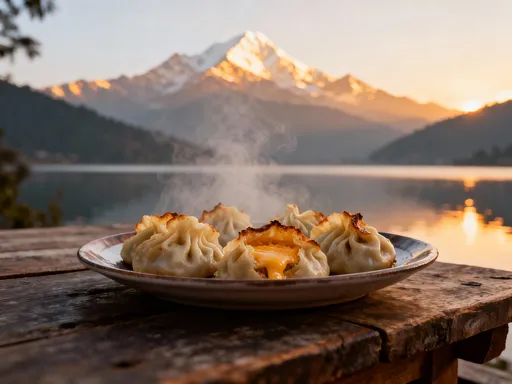
Equally iconic are momos, the beloved Himalayan dumplings. In Pokhara, these come in many forms: steamed, fried, or served in a spicy broth known as kothey. What sets them apart is the filling. While pork and chicken are common, yak meat and yak cheese momos are local favorites, offering a richer, earthier flavor profile. The dough is rolled paper-thin by hand, then pleated with care. A well-made momo should burst with juice when bitten, releasing a blend of garlic, ginger, and Sichuan pepper that lingers on the palate.
Another standout is smoked fish from Phewa Lake. Freshwater fish like snow trout are cleaned, salted, and slowly smoked over wood fires, giving them a deep amber hue and a delicate smokiness. Often grilled further before serving, they’re typically paired with achar (spicy pickle) and bhatmas (boiled soybeans). The texture is firm yet flaky, and the taste carries a whisper of pine from the smoking process—a direct link to the surrounding forests.
For those seeking comfort in a bowl, thukpa is the answer. This hearty noodle soup, of Tibetan origin, has been embraced and adapted across Nepal. In Pokhara, it’s often made with hand-pulled noodles, giving them a satisfying chew. The broth simmers for hours with bones, onions, and a blend of warming spices. Loaded with cabbage, carrots, and scallions, it’s both nourishing and deeply flavorful—perfect after a chilly morning hike or a long day of exploring.
Equally memorable are simpler pleasures: a cup of chiya, the Nepali version of spiced milk tea, brewed with crushed ginger and cinnamon; or a plate of bara, a savory lentil pancake often topped with egg or minced meat. These everyday foods may not appear on glossy travel brochures, but they are the heartbeat of local dining—humble, honest, and full of character.
Where to Eat: From Hidden Alleys to Lakeside Views
Dining in Pokhara is as much about atmosphere as it is about flavor. The city offers a range of eating environments, each contributing to the overall experience. Whether tucked into a narrow alley, nestled in a flower-filled courtyard, or perched on a rooftop with panoramic views, the setting shapes how a meal is remembered.
For an authentic local experience, head to the backstreets of Old Pokhara. Here, small family-run eateries serve home-style meals on low wooden tables. These places don’t advertise—they rely on word of mouth and repeat customers. Menus are simple, often written on chalkboards, and the focus is on consistency and warmth. It’s not uncommon for the owner to sit nearby, asking if you enjoyed your meal or offering seconds with a smile.
Lakeside, the main tourist corridor along Phewa Lake, offers a different vibe. Cafés with outdoor seating line the pathway, many with colorful cushions and string lights. While some cater heavily to foreign tastes—offering pizzas and pancakes alongside Nepali dishes—the best ones strike a balance. Look for places where locals also eat, or where the staff can recommend a house specialty. Early evenings are ideal, when the sun dips behind the hills and the water glows orange.
Garden restaurants provide a peaceful retreat. Hidden behind gates or up quiet paths, these spots feature shaded patios, flowering plants, and the sound of birdsong. Meals here feel slower, more intentional. Some offer traditional set menus served on brass platters, allowing diners to sample multiple dishes in one sitting. The pace encourages conversation and relaxation—an antidote to the rush of modern travel.
Rooftop terraces, particularly those with mountain views, elevate the dining experience—literally and figuratively. On clear days, the Annapurna range looms in the distance, its snow-capped peaks glowing at sunrise and sunset. Eating a warm bowl of thukpa while watching the light change on the mountains is an experience that lingers long after the meal ends. To secure a good seat, arrive early or make a reservation if possible. Many of these restaurants also offer evening meals with lanterns and soft music, creating a romantic yet family-friendly ambiance.
When choosing where to eat, consider timing. Breakfast is a wonderful opportunity to try local favorites like poha (flattened rice with spices and vegetables) or toast with homemade jam. Lunchtime is ideal for dal bhat, which is often served as a buffet with multiple side dishes. Dinner offers more variety, including grilled meats, curries, and fusion dishes that blend Nepali and international flavors. Regardless of the meal, don’t hesitate to ask what’s freshly prepared or what the cook recommends—it’s often the best way to discover something special.
How Local Ingredients Shape the Cuisine
The quality of Pokhara’s food begins long before it reaches the plate. It starts in the soil, the streams, and the hands of farmers, fishers, and foragers who supply the city’s kitchens. Because much of the produce is grown or harvested nearby, there’s a direct link between the land and the flavors on the table.
Highland vegetables play a starring role. At higher elevations, cooler temperatures and clean air allow crops like cauliflower, cabbage, and leafy greens to grow slowly, concentrating their flavor. Potatoes, a staple across Nepal, take on a creamier texture in the hills. Buckwheat and millet, grown on terraced fields, are used in everything from porridge to pancakes, offering a nutty taste and hearty nutrition.
Wild herbs and greens are another defining feature. Locals forage for plants like nipli (a pungent mountain herb), lende (a type of edible fern), and various types of wild mustard. These are often stir-fried with garlic and chili or added to soups for extra depth. Their availability depends on the season, which means menus shift throughout the year—a reflection of true seasonal eating.
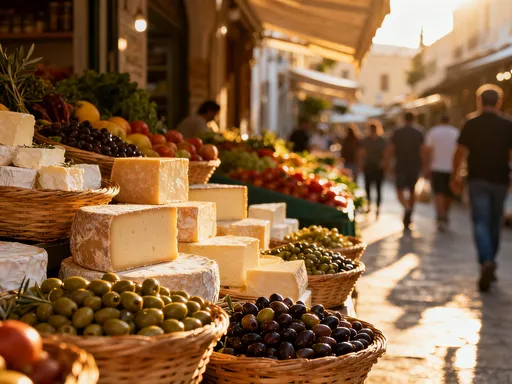
Dairy products, especially from yaks and goats, add richness to many dishes. Yak cheese, with its sharp, tangy profile, is used in momos, sandwiches, and even salads. It’s often aged in cloth bags, allowing it to develop a more complex flavor over time. Fresh milk and yogurt are common breakfast items, sometimes served with honey harvested from nearby hives.
Phewa Lake itself is a source of protein. While fishing is regulated to protect the ecosystem, certain species like snow trout and rohu are sustainably harvested. These fish are prized for their firm flesh and mild taste, making them ideal for grilling, frying, or smoking. When prepared simply—with just salt, turmeric, and a squeeze of lemon—they showcase the purity of the water and the care taken in preparation.
Spices, too, are largely sourced locally. Ginger, garlic, cumin, and turmeric are grown in home gardens or small farms. Many households dry and grind their own spice mixes, ensuring freshness and potency. This attention to detail means that even simple dishes carry layers of flavor, with warmth and aroma that processed blends often lack.
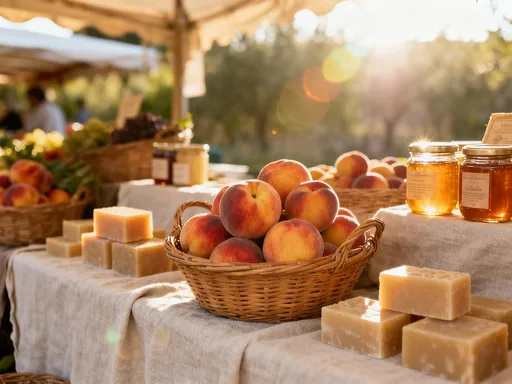
For travelers, visiting a farmers’ market is one of the best ways to appreciate this connection. Early morning is the best time, when vendors lay out baskets of just-picked produce, jars of honey, and bundles of fresh herbs. Some stalls offer samples—crisp cucumber slices, sweet radishes, or spoonfuls of homemade chutney. It’s a sensory education in Nepali food culture, and a reminder that great meals begin with great ingredients.
Dining with a View: When Food Meets Landscape
In Pokhara, some of the most memorable meals happen not in grand dining rooms, but on open-air terraces where the air is crisp and the views are endless. These restaurants don’t just serve food—they offer an experience where nature and nourishment come together.
Imagine sitting at a wooden table as the morning mist rises from Phewa Lake, revealing the silhouette of the Annapurnas. A steaming plate of vegetable thali arrives, colorful with curries, pickles, and fresh bread. The first bite is met with the distant call of a kingfisher or the gentle lap of water against the shore. In that moment, food becomes more than sustenance—it becomes part of the landscape.
Several restaurants along the northern shore specialize in this kind of dining. They’re designed to maximize the view, with wide balconies, low railings, and unobstructed sightlines. Breakfast is particularly magical, as the rising sun paints the snow in shades of pink and gold. Many places serve traditional Nepali breakfasts alongside Western options, but the local choices often shine—hot milky tea, freshly fried puri, and lentil pancakes that crisp at the edges.
Lunch and dinner offer different charms. As the light softens in the afternoon, the lake turns mirror-still, reflecting the sky like glass. Dinner under lantern light, with the mountains fading into silhouette, feels intimate and serene. Some restaurants enhance the mood with soft instrumental music or the occasional folk song performed by local artists. The focus remains on the food and the view, not spectacle.
To make the most of these experiences, plan ahead. Clear weather is essential for mountain visibility, so check forecasts and aim for late fall or spring if possible. Arrive early to secure a front-row seat—popular spots fill up quickly, especially during peak season. And while prices may be slightly higher than at street stalls, the value lies in the totality of the experience: the setting, the service, and the chance to eat mindfully in one of the world’s most beautiful places.
Even on cloudy days, the atmosphere remains special. The sound of rain on the roof, the warmth of a spicy soup, and the sight of boats gliding through fog can be just as moving. These moments remind us that dining in Pokhara isn’t about perfection—it’s about presence.
Tips for Making the Most of Your Culinary Journey
To truly appreciate Pokhara’s food culture, a little intention goes a long way. With a few thoughtful choices, travelers can enjoy delicious, safe meals while supporting local communities and deepening their connection to the place.
Start by being curious. Don’t hesitate to ask what a dish is made of, how it’s prepared, or what the local favorite is. Many restaurant staff appreciate the interest and are happy to explain. If language is a barrier, a smile and a pointed finger at someone else’s plate can work just as well. Learning a few Nepali food words—like “momo,” “achar,” or “chiya”—can also go a long way in building rapport.
When it comes to hygiene, look for busy places with high turnover. Freshly cooked food served hot is generally safe, especially if it’s been steamed, boiled, or grilled. Avoid raw salads or unpeeled fruits unless you’re certain they’ve been washed in clean water. Bottled or filtered water is widely available, and most reputable places use it for cooking and drinking.
To support the local economy, seek out family-run eateries and small cafes. These places often use homegrown ingredients and employ neighbors or relatives. Your meal contributes directly to their livelihood. If you enjoy a dish, consider leaving a kind word—or even a small tip—as a gesture of appreciation.
Enhance your experience by pairing meals with cultural activities. Some guesthouses and community centers offer cooking classes, where you can learn to make momos or dal bhat from scratch. Others organize market tours, guiding visitors through stalls and explaining seasonal produce. These activities deepen understanding and create lasting memories.
Finally, practice mindful eating. Slow down, savor each bite, and notice the textures, aromas, and flavors. Put your phone away and take in the surroundings—the sound of conversation, the clink of dishes, the warmth of the sun. In a world of fast travel and quick meals, Pokhara invites you to pause, to connect, and to taste with your whole being.
Pokhara’s specialty dining isn’t about fancy plating or celebrity chefs—it’s about connection. Each meal offers a window into Nepali life, where warmth is served alongside spice. By choosing to explore its food deeply, travelers don’t just eat well—they remember. In a world of fast tourism, Pokhara invites you to slow down, savor, and truly taste place.