You Won’t Believe This Secret Food Scene in the Lake District
If you think the Lake District is just lakes and hiking, think again. I went for the views but stayed for the food—real, hearty, local flavors hidden in village pubs, farm markets, and cozy tearooms most tourists walk right past. From smoky lamb to handmade pies and the best sticky toffee pudding I’ve ever had, this region serves up comfort on a plate. Let me take you behind the tourist trail to where the locals eat. It’s not about fancy presentation or celebrity chefs. It’s about generations of tradition, land shaped by wind and rain, and meals that warm you from the inside out. This is food with soul, and it’s waiting in plain sight—if you know where to look.
Beyond the Postcard: A Different Side of the Lake District
The Lake District is often celebrated for its dramatic fells, mirror-like waters, and literary legends like Beatrix Potter and William Wordsworth. Travel brochures showcase mist rising over Windermere and hikers silhouetted against Helvellyn, and rightly so—these sights are breathtaking. But beyond the well-trodden trails and postcard panoramas lies a quieter, richer layer of life: the rhythm of village kitchens, the scent of wood-fired ovens, and the clatter of cutlery in centuries-old inns where meals are still made by hand. This is a region where food is not an accessory to the landscape but woven into its very fabric.
Villages like Hawkshead, Grasmere, and Ambleside may draw visitors for their stone cottages and scenic lanes, but they thrive because of their communities—and those communities gather around food. In Hawkshead, narrow alleys lead to unassuming pubs where the menu changes with the season and the chef might also be the landlord. In Grasmere, the same family-run shops that sell walking maps also display jars of homemade elderflower cordial and trays of oatcakes baked that morning. Ambleside’s market days bring farmers from surrounding valleys, their boots muddy but their produce pristine. These are not tourist performances. They are everyday moments in a place where eating well is a point of pride.
What makes this culinary culture special is its authenticity. There’s no need for gimmicks or imported trends. The food here reflects necessity turned into art—simple ingredients, carefully prepared, deeply satisfying. It’s the kind of cooking born from long winters, isolated farms, and a deep connection to the land. To experience it is to understand that the Lake District isn’t just a destination for the eyes. It’s a feast for the senses, one that reveals itself slowly, one meal at a time.
The Heart of Cumbrian Cooking: Ingredients That Tell a Story
Cumbrian cuisine begins not in the kitchen, but in the fields, fells, and forests. The region’s rugged terrain and cool, wet climate create conditions that are challenging for farming—but uniquely suited to producing intense, earthy flavors. The sheep that graze on high pastures grow lean and strong, their meat rich with the taste of heather and wild thyme. Herdwick lamb, in particular, is a point of local pride, raised on unforgiving slopes where only the hardiest animals survive. This natural selection results in meat that is both tender and deeply flavorful, often slow-roasted or stewed to bring out its full character.
Pork from native Herdwick pigs is another cornerstone of the region’s larder. These animals forage freely, feeding on roots, acorns, and grasses, which gives their meat a distinctive depth. When cured or smoked, it becomes a savory staple in pies, terrines, and breakfast platters. Local dairy is no less remarkable. Small hillside farms produce milk with a high butterfat content, turned into creamy cheeses, thick clotted cream, and rich yogurt. You’ll find these ingredients not in supermarkets, but at farm gates, village stalls, and family-run delis where the person behind the counter likely knows the cow by name.
Foraging also plays a vital role in Cumbrian cooking. In spring, wild garlic carpets the forest floor, its pungent leaves folded into butter or pesto. Summer brings chanterelles and ceps, gathered by experienced hands and sold at markets or tucked into risottos at local inns. Autumn yields blackberries, sloe berries, and rosehips, all preserved as jams, syrups, or liqueurs. Even the lakes contribute—freshwater fish like char and trout appear on menus in subtle preparations that let their delicate flavor shine.
Preservation techniques are as much a part of the food culture as fresh ingredients. Smoking, salting, and curing were born from necessity, allowing families to store food through long winters. Today, these methods are honored traditions, producing delicacies like smoked lamb, salt-cured bacon, and spiced sausages. The result is a cuisine that respects seasonality, minimizes waste, and celebrates what the land provides. Every bite tells a story of resilience, resourcefulness, and deep connection to place.
Hidden Pubs with Killer Pies and Real Cider
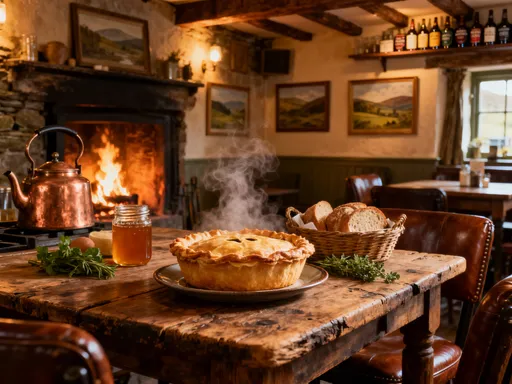
Scattered across the Lake District are village inns that have stood for centuries—low-beamed, stone-walled, and warmed by crackling fires. These are not polished gastropubs designed for Instagram. They are working pubs, where farmers stop by after morning chores, dog walkers shake off the rain, and locals gather for a pint and a proper meal. And in these unassuming places, some of the best food in the region is served, often without fanfare or menu descriptions longer than a sentence.
The heart of the pub menu is the handmade pie. Baked in-house, these are not mass-produced pastries but deep-dish creations with golden, flaky crusts and fillings that simmer for hours. A classic Herdwick lamb and rosemary pie might be served with creamy mashed potatoes and a rich gravy made from the cooking juices. A pork and apple pie could feature locally reared meat, sharp cider-braised onions, and a hint of juniper. Vegetarian options are equally thoughtful—perhaps a pie of wild mushrooms, leeks, and Lancashire cheese, all encased in buttery pastry. The key is simplicity and quality: ingredients sourced from nearby farms, cooked with care, and served hot.
Equally important is the drink. Real cider—still, slightly cloudy, and fermented slowly from local apples—is a regional specialty. Unlike the sweet, carbonated versions found in supermarkets, Cumbrian cider has a dry, tannic bite and a complex aroma of orchard fruit and earth. It pairs perfectly with rich meats and sharp cheeses. Some pubs even brew their own small-batch ales, using water from mountain springs and hops grown in nearby counties. The experience is not about luxury but authenticity: a wooden table, a well-worn menu, and a meal that feels like it has been made just for you.
These pubs are community anchors. They host quiz nights, live folk music, and seasonal celebrations. A visitor is always welcome, but the atmosphere remains rooted in local life. There’s no pressure to perform or spend extravagantly. You can order a pie and a half-pint of cider and feel just as at home as someone celebrating a birthday with a full table. That sense of belonging—quiet, unforced, and genuine—is part of what makes the food taste so good. It’s not just a meal. It’s an invitation to slow down and share in something real.
Farmers’ Markets and Food Trails: Where Locals Shop
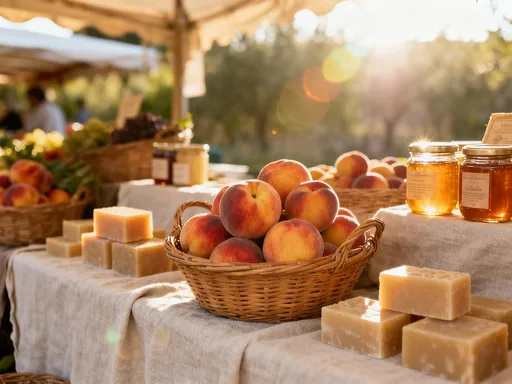
If you want to eat like a Cumbrian, start where they do: at the farmers’ markets. Held weekly in towns like Keswick, Kendal, and Penrith, these lively gatherings are more than shopping trips. They are social events, places to catch up with neighbors, sample new products, and support the small producers who keep the region’s food culture alive. Unlike tourist markets filled with generic crafts, these are working markets where the focus is on what’s fresh, seasonal, and made by hand.
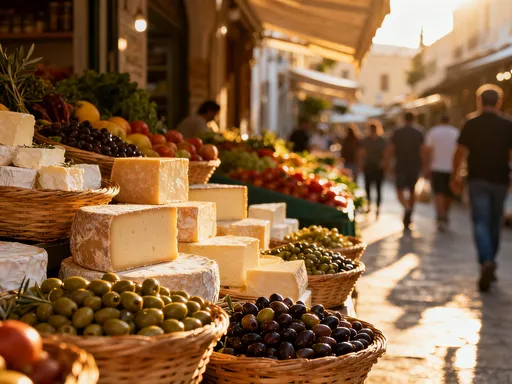
Stalls overflow with color and scent: baskets of just-picked vegetables, wheels of artisan cheese wrapped in cloth, jars of honey still warm from the hive. A cheesemaker from a nearby valley might offer slices of creamy goat cheese or a mature sheep’s milk cheddar with a nutty finish. A baker displays sourdough loaves with crackling crusts and fruit cakes dense with locally grown currants. One vendor sells handmade chutneys—pear and ginger, onion and stout—each batch cooked in small copper pots. Another offers free-range eggs, their shells still dusted with straw, laid by hens that roam under orchard trees.
What sets these markets apart is the direct connection between producer and consumer. You can ask the grower how they cultivate their vegetables, learn the name of the cow whose milk made the cheese, or hear the story behind a jar of wildflower honey. This transparency builds trust and appreciation. It also encourages mindful eating—knowing where your food comes from makes you value it more. Many visitors leave not just with bags of groceries, but with recipes, tips, and a deeper understanding of Cumbrian food traditions.
Timing your visit to coincide with market days can transform your trip. Keswick’s market runs every Saturday, filling the town square with energy and the smell of roasting coffee. Kendal’s monthly market draws producers from across the county, offering a broader selection of regional specialties. Some areas also promote food trails—self-guided routes that connect farms, breweries, and bakeries. Following one allows you to explore at your own pace, tasting your way through the countryside while supporting small businesses. Whether you’re buying a loaf of bread or a jar of sloe gin, you’re not just shopping. You’re participating in a living food culture.
Tearooms with a Twist: More Than Just Scones
No visit to the Lake District would be complete without afternoon tea, and the region’s tearooms deliver the ritual with charm and creativity. Far from being old-fashioned relics, many have evolved into spaces where tradition meets innovation. Yes, you’ll still find warm scones served with clotted cream and strawberry jam, but now they might be laced with lemon zest or topped with a spoonful of damson curd. The cream itself could be lightly infused with lavender or rose, adding a subtle floral note that lingers on the palate.
In villages like Cartmel and Bowness, tearooms have become destinations in their own right. Cartmel, known for its medieval priory and racecourse, is also home to bakers who craft parkin—a sticky ginger cake made with oatmeal and treacle—with recipes passed down for generations. Some tearooms serve it warm, with a scoop of ginger ice cream, turning a humble treat into something luxurious. Others offer rosemary shortbread, its herbal aroma cutting through the sweetness, or honey cake made with local heather honey, its deep amber color reflecting the moorland blooms.
The full afternoon tea experience—tiered trays of sandwiches, scones, and pastries—is still cherished, especially in historic inns and country houses. But modern versions often include savory surprises: cucumber sandwiches with dill cream cheese, smoked salmon with lemon butter, or egg and cress with watercress grown in nearby gardens. The pastries might feature seasonal fruits—rhubarb in spring, bramble in autumn—or nods to local flavors like Kendal mint cake, reimagined as a mousse or macaron.
What makes these tearooms special is their warmth. The staff greet regulars by name and offer refills with a smile. The décor is cozy—floral wallpaper, mismatched china, lace tablecloths—but never fussy. Children are welcome, dogs wait by the door, and no one rushes you. You can linger for an hour or more, sipping tea from a proper pot, watching the rain patter against the window, and feeling the pace of life slow. It’s not just about eating. It’s about taking time, enjoying simplicity, and savoring the small pleasures that make a day memorable.
Cooking Like a Local: Workshops and Food Experiences
For travelers who want to go deeper, the Lake District offers hands-on ways to connect with its food culture. Cooking classes, baking workshops, and farm visits allow you to learn directly from those who live it every day. These experiences are not staged performances but genuine invitations to participate. You might spend a morning kneading dough with a village baker, learning how to shape traditional teacakes or build a fruit loaf that rises just right. Or you could join a cheese-making session, where you stir curds, press wheels, and discover how temperature and time transform milk into something entirely new.
Farm tours are another rewarding option. Some working farms open their doors to visitors, offering guided walks through orchards, pastures, and vegetable plots. You might help collect eggs, taste milk straight from the cow, or learn how hay is made for winter feed. These visits reveal the daily rhythms of rural life and the care that goes into producing high-quality food. They also foster appreciation—for the labor behind a simple loaf of bread, the skill in a perfect cheese, the patience required to raise animals humanely.
Other workshops focus on preservation. You could learn to make chutney from foraged berries, cure your own bacon using traditional methods, or ferment vegetables for winter stores. These skills were once essential for survival, and today they are being revived as part of a growing interest in sustainable, seasonal eating. Participants leave not just with knowledge, but with jars of their own creations—tangible reminders of what they’ve learned.
Many of these experiences are organized through local visitor centers, farm shops, or community groups. While specific providers may vary, the opportunities are real and accessible. They require no prior skill, only curiosity and a willingness to get your hands a little dirty. For families, couples, or solo travelers, they offer a meaningful way to engage with the region beyond sightseeing. You’re not just observing Cumbrian life. You’re stepping into it, even if just for a few hours.
How to Eat Your Way Through the Lake District: A Practical Guide
To truly experience the Lake District’s food scene, a little planning helps. Start by aligning your visit with the seasons. Spring brings fresh lamb, wild garlic, and asparagus from sheltered gardens. Summer offers berries, herbs, and the first cheeses of the year. Autumn is peak for foraging, cider pressing, and hearty stews. Winter, though quieter, has its own rewards—slow-cooked dishes, preserved foods, and the warmth of a pub fire. Each season shapes the menu, so embracing what’s available enhances authenticity.
When choosing where to eat, look beyond the main tourist hubs. While Windermere and Bowness have excellent options, some of the most memorable meals are found in smaller villages. Hawkshead, with its narrow lanes and lack of through traffic, feels timeless. Its pubs and tea shops cater to both locals and visitors, but the food remains grounded in tradition. Similarly, towns like Keswick and Ambleside offer a balance of accessibility and authenticity, with markets, bakeries, and inns that reflect real community life.
Transportation can shape your culinary journey. The Lake District is well-served by buses, many of which connect villages and stop near market squares or popular inns. Walking between destinations—say, from Grasmere to Rydal—is not only scenic but practical. You can work up an appetite, then reward yourself with a proper meal. Cycling is another excellent option, with quiet lanes and dedicated routes that pass farms, orchards, and tea rooms. For those with cars, farm shops and roadside stalls are worth detours. Just remember to check opening times, as rural businesses often have limited hours.
To avoid tourist traps, look for signs of local patronage. A busy pub at lunchtime with muddy boots by the door is a good sign. So is a market stall where residents are chatting with the vendor. Menus that list ingredient sources—‘lamb from Borrowdale,’ ‘cheese from Wasdale’—indicate pride in provenance. And if a place doesn’t take reservations, that’s often a clue it’s popular with those in the know. Trust your instincts. The best meals often come from places that don’t try too hard—where the focus is on the food, not the decor.
Finally, eat slowly. Don’t rush from one attraction to the next. Pause for a mid-morning coffee and a slice of cake. Make time for a long lunch in a sunlit pub garden. Book an afternoon tea and savor each course. These moments are not distractions from your trip. They are the heart of it. When you eat mindfully, you connect with the place in a deeper way. You taste the land, hear the stories, and feel the rhythm of life in the fells.
The Lake District’s true magic isn’t just in its misty fells or glassy lakes—it’s on the plate. This is a place where food is grown, raised, and cooked with pride, far from the spotlight. By seeking out its quiet culinary gems, you don’t just eat well—you connect with the soul of Cumbria. So next time you visit, come hungry. The real feast is waiting off the beaten path.