You Won’t Believe How Hoi An’s Ancient Streets Taste
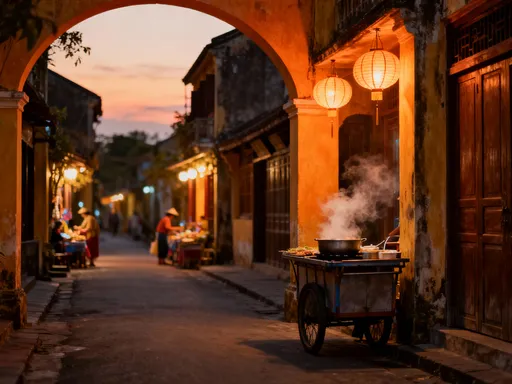
Walking through Hoi An’s lantern-lit alleys, I wasn’t just seeing history—I was tasting it. The scent of sizzling pork buns drifts through 400-year-old wooden shop houses, where French colonial tiles meet Chinese carved beams. Every bite feels like a story. This isn’t just food—it’s architecture you can eat. I never expected flavors to blend so perfectly with centuries-old walls, but here, the past doesn’t just stand still—it cooks. The air hums with simmering broths and charred sugar, and the golden glow of silk lanterns reflects off lacquered tables where elders serve recipes unchanged for generations. In Hoi An, every meal is a dialogue between time and taste.
The Living Postcard: Hoi An’s UNESCO Heritage Streetscape
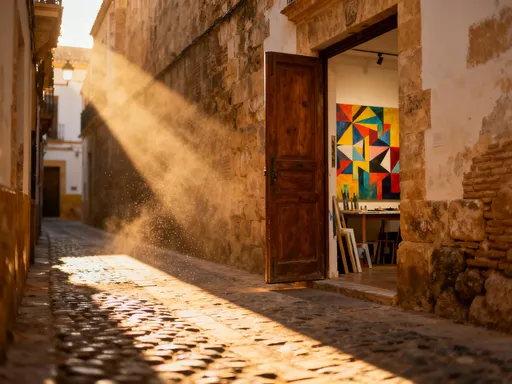
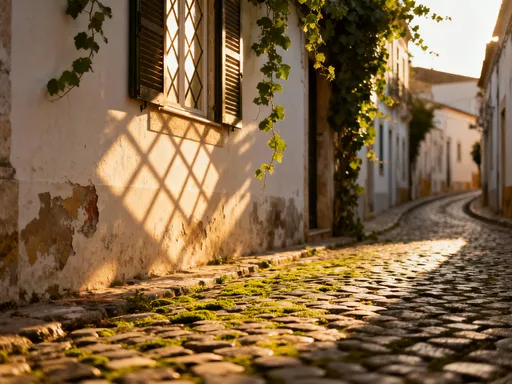
Hoi An’s Old Town is a rare jewel in Southeast Asia—a place where time has not only paused but preserved. Designated as a UNESCO World Heritage Site in 1999, the town stands as a testament to centuries of cultural convergence. Its narrow streets, paved with uneven stone and lined with tightly packed buildings, were once the bustling heart of a major trading port. Merchants from China, Japan, India, and Europe once walked these same lanes, leaving behind an architectural legacy that still defines the town today. The buildings, often referred to as tube houses due to their long, narrow footprints, rise two or three stories high with facades painted in warm ochres, deep greens, and faded yellows, their wooden shutters thrown open each morning like secrets being revealed.
What makes Hoi An’s streetscape so unique is not just its survival, but its synthesis. French colonial influence appears in the pastel-colored stucco walls and wrought-iron balconies, while Chinese heritage is evident in the intricately carved wooden beams, red lacquer doors, and rooftop guardian statues meant to ward off evil spirits. Japanese traders, who settled here in the 16th and 17th centuries, contributed the iconic covered bridge—Chùa Cầu—a small temple-like structure that spans a narrow canal, its tiled roof curling gently at the edges like a whisper from Kyoto. Yet, despite these foreign touches, the soul of the architecture remains deeply Vietnamese, rooted in harmony with nature, family life, and communal space.
The design of these buildings does more than please the eye—it shapes the way people live, move, and eat. The narrow frontages open into deep interiors, often centered around a quiet courtyard that allows light and air to filter down into the heart of the home. This natural ventilation is crucial in central Vietnam’s humid climate, reducing the need for artificial cooling and creating ideal conditions for open-air kitchens and food stalls. The low ceilings and wooden floors absorb sound, lending the town a hushed, almost reverent atmosphere, even during peak hours. As the sun sets and the lanterns flicker to life, the streets transform into a warm, golden labyrinth where every corner seems to promise a new flavor, a hidden table, a moment of connection.
Where History Serves Lunch: The Fusion of Culture and Cuisine
In Hoi An, food is not separate from history—it is history made edible. The town’s culinary identity is a direct reflection of its multicultural past, shaped by centuries of exchange between local Vietnamese traditions and foreign influences. Nowhere is this more evident than in its most iconic dishes. Cao Lau, a specialty found almost exclusively in Hoi An, is a perfect example. The dish features thick, chewy rice noodles said to be made with water drawn from a single ancient well in the town—believed to give the noodles their unique texture. Topped with slices of braised pork, crispy croutons, and fresh herbs, Cao Lau bears a striking resemblance to Japanese udon, a nod to the Japanese merchants who once lived here. The care taken in folding each ingredient into the bowl mirrors the precision of a carpenter fitting a wooden joint—every piece has its place, every flavor its purpose.
Then there is Bánh Mì, the world-famous sandwich that embodies colonial fusion. What began as a French baguette, light and airy with a crisp crust, was reimagined by Vietnamese cooks who filled it with pickled vegetables, cilantro, chili, and a variety of proteins—from grilled pork to pâté. In Hoi An, Bánh Mì is not just street food; it is a cultural handshake between two nations, served from wooden carts tucked beneath awnings that still bear French-style signage. The crunch of the bread, the tang of daikon, the heat of fresh chili—all of it speaks to adaptation, resilience, and creativity born of necessity.
Equally delicate is the White Rose Dumpling, a translucent shrimp dumpling so finely pleated it resembles a blooming flower. Created by local chefs in the mid-20th century, these dumplings are hand-folded with such precision that they are often compared to origami. They are typically served on banana leaves with a side of tangy dipping sauce, their fragility a metaphor for the care required to preserve both culinary and architectural heritage. Like the carved wooden screens in ancestral homes, these dumplings are not mass-produced; they are made in small batches, by hand, often within family-run kitchens that have passed down techniques for decades. In both food and building, the value lies in the details—the curve of a roof, the fold of a dumpling, the way light catches a tile at dusk.
Eating in a 400-Year-Old House: Dining Amid Heritage
Dining in Hoi An is not merely about what you eat, but where you eat it. Many of the town’s most beloved eateries operate out of centuries-old homes, their kitchens tucked behind weathered wooden doors that open into quiet courtyards. These are not reconstructions or themed restaurants—they are living spaces, often still inhabited by descendants of the original families. The floors creak underfoot, worn smooth by generations of footsteps, and the walls, thick with layers of paint and time, hold the scent of woodsmoke and simmering broth. To sit at a low wooden table in one of these homes is to feel the weight of history in your bones.
The architecture directly influences the dining experience. Because many of these buildings were designed for ventilation rather than insulation, they rely on open windows, high ceilings, and central courtyards to keep the interior cool. This natural airflow allows kitchens to operate without modern exhaust systems, letting the aromas of cooking drift freely through the space. Clay stoves, fueled by charcoal, are still used in many homes, their low, steady heat ideal for slow-cooked dishes like braised meats and herbal soups. The rhythm of cooking here is not rushed; it follows the same pace as the town itself—measured, deliberate, respectful of tradition.
Meals are often served family-style, with multiple dishes placed in the center of the table, encouraging sharing and conversation. A typical dinner might include a steaming bowl of mì Quảng—a turmeric-infused noodle soup with shrimp or chicken, peanuts, and fresh greens—alongside a plate of fresh spring rolls, a dish of fermented fish sauce, and a small bowl of chili-lime dip. The presentation is simple, unpretentious, yet deeply satisfying. There are no neon signs, no plastic menus, no digital ordering systems—just the quiet clink of chopsticks and the murmur of voices in the dim lantern light. In this setting, food becomes a bridge between past and present, a way of honoring ancestors while feeding the living.
The Night Market: When Architecture Becomes Atmosphere
As the sun dips below the Thu Bồn River, Hoi An undergoes a magical transformation. At 6 p.m., motorbikes are banned from the Old Town, and the streets surrender to pedestrians, cyclists, and the soft glow of hundreds of silk lanterns. This nightly ritual turns the town into an open-air dining room, where every alley becomes a potential feast. The night market is not a centralized bazaar but a dispersed network of small stalls and pop-up kitchens that emerge from doorways, courtyards, and riverfront nooks. Vendors set up bamboo carts beneath arched colonial arcades or under the eaves of centuries-old shop houses, their grills sizzling with skewers of marinated meat, shrimp, and vegetables.
The layout of the Old Town enhances this experience. Its narrow, winding streets create a sense of discovery—each turn revealing a new scent, a new sound, a new dish. A whiff of caramelizing sugar might lead you to a vendor flipping banana pancakes on a cast-iron griddle, the batter spread thin and cooked until golden, then folded around slices of ripe banana and a sprinkle of sesame seeds. Around the next corner, a woman in a conical hat stirs a large pot of sweet potato and coconut milk soup, its creamy aroma mingling with the salt air from the nearby sea. Children run barefoot between tables, their laughter echoing off the stone walls, while elders sip iced tea under paper lanterns shaped like lotus flowers.
The riverside walk, lined with wooden boats painted in bright blues and greens, offers some of the most atmospheric dining spots. Small tables are set up on the banks, where guests can enjoy grilled fish wrapped in banana leaves or skewers of lemongrass chicken while watching the lanterns float downstream. The reflection of the lights on the water creates a dreamlike effect, blurring the line between reality and memory. Here, architecture does not merely contain the experience—it enhances it. The absence of modern signage, the ban on cars, the preservation of original materials—all of it contributes to an atmosphere that feels timeless, almost enchanted. To eat in Hoi An at night is not just to consume food, but to participate in a ritual that has unfolded in this place for generations.
Cooking Class in a Heritage Home: Learning in the Heart of the Old Town
One of the most immersive ways to experience Hoi An’s culinary culture is through a cooking class held in a restored traditional home. These classes are not staged performances but genuine invitations into family kitchens shaped by centuries of design and tradition. The typical venue is a two-story tube house with a central courtyard where banana trees grow beside stone wells. The kitchen is often located at the back, open to the air, with clay stoves arranged in a row and wooden counters stained with years of use. The space is functional, unpolished, and deeply authentic—exactly as it would have been 100 years ago.
The class usually begins with a visit to the local market, just a short walk from the Old Town. Here, under corrugated metal roofs supported by wooden beams, vendors display pyramids of starfruit, bundles of lemongrass, and baskets of live shrimp pulled from nearby waters. The guide explains how ingredients are chosen not just for freshness but for their connection to the region—rice grown in the fertile plains of Quang Nam, herbs cultivated in riverside gardens, fish caught daily by local fishermen. This emphasis on locality mirrors the architectural principle of using native materials: laterite stone, coconut wood, and terracotta tiles were all sourced nearby, reducing transport and ensuring harmony with the environment.
Back at the house, participants gather around the stoves to prepare dishes like Cao Lau, Bánh Mì, and fresh spring rolls. The instructors—often grandmothers or mothers who have cooked their entire lives—demonstrate techniques passed down orally: how to fold a dumpling just right, how to balance sweet, sour, salty, and spicy in a dipping sauce, how to toast rice for a fragrant broth. The pace is slow, the instructions patient, the atmosphere warm. There is no rush, no pressure—only the joy of learning, sharing, and eating together. By the end, guests don’t just leave with recipes; they leave with memories of laughter, the scent of turmeric on their fingers, and a deeper understanding of how food and place are inseparable.
Hidden Eateries in Forgotten Corners: Off-the-Beaten-Path Flavors
Beyond the postcard-perfect streets and popular night markets lie Hoi An’s true culinary treasures—small, unmarked eateries tucked behind moss-covered walls, down alleyways so narrow two people must turn sideways to pass. These spots are not found in guidebooks or on maps. They are discovered by following the scent of roasting garlic, the sound of a wok scraping against flame, or the sight of a single plastic stool placed outside a weathered door. Some operate only in the early morning, serving bowls of steaming phở to locals on their way to work. Others open at dusk, transforming former storage rooms or ancestral halls into intimate noodle joints with just one or two tables.
One such place might be a former merchant’s house where a grandmother now serves handmade rice noodles in a rich pork bone broth, the recipe unchanged since the 1950s. Another could be a tiny courtyard where a family fries spring rolls in peanut oil, the wrappers made from rice paper they dry in the sun each afternoon. These eateries thrive not because of marketing or social media, but because of consistency, quality, and community trust. They are often run by multiple generations—grandfather stokes the fire, mother tends the pot, daughter serves the bowls—each playing their role in a quiet, enduring ritual.
The architecture guides the discovery. A curved roof, a carved doorframe, a patch of light falling on a stone step—these subtle cues draw the curious traveler off the main path. There are no menus in English, no QR codes, no Instagrammable backdrops. Instead, there is a nod, a smile, a gesture toward a seat. Ordering is often done by pointing, by miming, by trusting the cook to know what you need. And when the food arrives—steaming, fragrant, perfectly seasoned—it feels like a gift, a moment of real connection in a world that often feels staged. These hidden kitchens are not just places to eat; they are keepers of memory, guardians of taste, and proof that authenticity still exists in the quiet corners of the world.
Preserving Taste and Time: How Food and Buildings Protect Each Other
In Hoi An, the preservation of culture is not a top-down mandate but a grassroots effort fueled by daily life. Tourism plays a crucial role, but it is the symbiosis between food and architecture that keeps the town alive. Revenue from restaurants, cooking classes, and street food stalls provides families with the means to maintain their historic homes. Repairing a tiled roof, restoring a wooden beam, or replacing a crumbling wall is expensive, and without a steady income, many families might be forced to sell or abandon their properties. But when a home also functions as a kitchen, a dining room, or a market stall, it becomes economically viable to preserve it.
UNESCO regulations further support this balance. Strict rules prohibit modern signage, neon lights, and new construction that does not match traditional styles. This ensures that the town’s character remains intact, allowing visitors to experience it as a living, breathing place rather than a museum. At the same time, local authorities encourage sustainable tourism practices, such as limiting vehicle access and promoting locally sourced ingredients. These policies protect not only the buildings but also the food culture that depends on them.
The result is a rare equilibrium: history is not frozen, but lived. Every bowl of noodles, every grilled skewer, every cup of tea served in a 200-year-old house contributes to the town’s survival. When you eat in Hoi An, you are not just enjoying a meal—you are participating in an act of preservation. You are helping to keep wooden beams from rotting, lanterns from fading, and recipes from being forgotten. The flavors you taste are not just delicious; they are necessary. They are the heartbeat of a place where culture is not displayed behind glass—it is served on a plate, shared at a table, and passed down, one generation at a time.
Hoi An isn’t just a place to visit—it’s a living ecosystem where food and architecture grow from the same roots. The flavors linger, but so do the shapes, shadows, and silent stories in every beam and brick. To eat here is to step into a world where culture isn’t displayed—it’s served.