You Won’t Believe What I Found at Istanbul’s Hidden Festivals
Istanbul isn’t just about mosques and bazaars—its soul pulses brightest during local festivals. I stumbled on celebrations where music spills into alleyways, flavors explode in forgotten courtyards, and centuries-old traditions feel alive. This isn’t tourist theater; it’s real, raw, and deeply welcoming. If you’ve only seen Istanbul through guidebooks, you’ve missed the magic. Let me take you where the city truly dances.
The Rhythm of Istanbul: Why Festival Culture Defines the City
Istanbul beats to a rhythm shaped by layers of history, geography, and cultural fusion. More than any other city in the world, it exists at the crossroads of continents, faiths, and customs. This convergence is not just visible in its architecture or cuisine—it resonates most powerfully in its festival culture. These gatherings are not staged for cameras or scheduled for convenience. They emerge organically from neighborhoods, families, and communities who have passed down traditions for generations. Whether it’s the call to prayer echoing through narrow streets during Ramadan or the joyful drumming that marks the arrival of spring, festivals here carry a deep sense of continuity and belonging.
What sets Istanbul apart is how seamlessly ancient rituals coexist with modern life. A Sufi gathering might take place in a centuries-old tekke just steps from a trendy café serving artisan coffee. A neighborhood celebration during Kurban Bayramı unfolds with time-honored prayers and animal sacrifices, while children play on smartphones nearby. This duality doesn’t feel contradictory—it feels natural, even poetic. The city’s festivals reflect this balance, offering moments of reverence, joy, and connection that transcend age, background, or belief. They are not performances but lived experiences, deeply rooted in the social fabric of daily life.
One of the most vivid expressions of this rhythm is the seasonal shift marked by religious and folk observances. During Ramadan, the city transforms after sunset. Streets once quiet under daylight fasting come alive with lantern-lit markets, bustling with families seeking iftar meals. The scent of warm pide bread, grilled kebabs, and sweet kunefe fills the air. In neighborhoods like Fatih and Kadıköy, communal tables stretch across sidewalks, inviting strangers to break bread together. These moments aren’t just about food—they’re about community, generosity, and shared spirituality. Similarly, during spring festivals like Hıdırellez, people gather at dawn in parks and gardens, placing written wishes under stones, believing the morning dew will carry their hopes to the heavens. These traditions are not relics—they are living practices, renewed each year with quiet devotion.
Beyond the Tourist Trail: Finding Authentic Local Celebrations
While many visitors flock to the Grand Bazaar or attend nightly Whirling Dervish shows in historic halls, the true heart of Istanbul’s festival life lies beyond these polished surfaces. To experience it, one must wander deeper—into residential districts, family-run mosques, and quiet courtyards where celebrations unfold without fanfare. These are not advertised in brochures or listed on mainstream travel apps. Instead, they are discovered through conversation, observation, and a willingness to listen. A local café owner might mention a small neighborhood mevlit ceremony. A school bulletin board could list a community Eid picnic in Gülhane Park. These clues, subtle but real, lead to moments of genuine cultural exchange.
One such hidden gem is the annual Greek Orthodox celebration of Agia Paraskevi in the historic district of Balat. Though Istanbul’s non-Muslim population has diminished over the decades, this feast day still draws faithful worshippers and curious onlookers alike. The small church, painted in deep blues and whites, becomes a focal point for prayer, music, and shared meals. After the service, neighbors gather in the cobblestone square, serving homemade baklava and strong Greek coffee. Children run between tables, laughing as elders sing old hymns. There’s no ticket required, no stage—just presence and participation. Moments like these remind us that Istanbul’s diversity is not just historical but ongoing, quietly sustained by those who choose to keep it alive.
Another example is the springtime Hıdırellez festival, celebrated on May 6th, marking the meeting of prophets Hızır and İlyas. In parks like Göztepe or Yıldız, families spread blankets, light small fires, and dance around them for good luck. Vendors sell herbal teas, embroidered scarves, and handmade amulets. Children hang wish ribbons from trees, believing their dreams will come true if the wind carries them first. Unlike commercialized events, these gatherings have no entrance fee, no branding, and no corporate sponsorship. They are community-driven, intimate, and open to all who approach with respect. Finding them requires patience—talking to shopkeepers, asking at local libraries, or joining neighborhood walking tours led by residents rather than tour companies.
A Day at the Mevlevi Festival: Whirling in the Heart of the City
One crisp December evening, I found myself in the Kuleli Barracks courtyard near Çubuklu, invited to witness a Mevlevi ceremony during a week-long spiritual festival honoring the legacy of Rumi. The air was still, the sky dusted with stars. Rows of wooden benches faced a raised platform where the dervishes would perform. Attendees—locals, pilgrims, and a few quiet foreigners—sat in hushed anticipation. There were no loud announcements, no flashing lights. Just the soft rustle of fabric and the occasional cough breaking the silence.
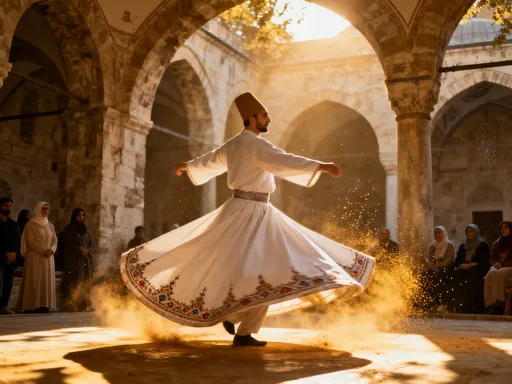
When the dervishes entered, they moved with a grace that seemed almost otherworldly. Dressed in long white robes and tall brown hats symbolizing tombstones, they walked in a slow circle, bowing to one another before taking their places. The ney flute began—a haunting, breathy sound that seemed to rise from the earth itself. Then, the whirling began. One by one, the dervishes opened their arms, the right hand turned upward to receive divine grace, the left pointed down to channel it into the world. They spun in perfect, meditative motion, their skirts flaring like blooming flowers. Time seemed to slow. The rhythm of their turning, the music, the incense—it created a space outside of ordinary life.
What struck me most was the reverence in the room. No one clapped between movements. No phones were raised. People watched with a quiet intensity, some with tears in their eyes. This was not entertainment; it was worship. Yet, despite its sacred nature, the event was open to visitors. A program handed at the entrance explained the symbolism: the whirling as a metaphor for planetary motion, the surrender of ego, the longing for union with the divine. Afterward, tea was served in small glasses, and I spoke with a retired teacher who had attended every year for two decades. “It’s not about seeing,” she said. “It’s about feeling. When you sit here, you remember what stillness means.”
Flavors That Celebrate: Street Food in Festival Season
If Istanbul’s festivals speak through music and movement, they also sing through taste. Each celebration brings its own culinary signature—seasonal, symbolic, and deeply tied to memory. During Eid al-Fitr, the air in Fatih and Üsküdar fills with the scent of frying lokma—golden, syrup-soaked dough balls served in paper cones. Vendors work in pairs, one dropping spoonfuls of batter into hot oil, the other lifting them out, draining, and dunking them into copper vats of sweet syrup. Locals line up not just for the taste, but for the ritual: sharing lokma with neighbors, offering it to children, remembering grandparents who made it at home.
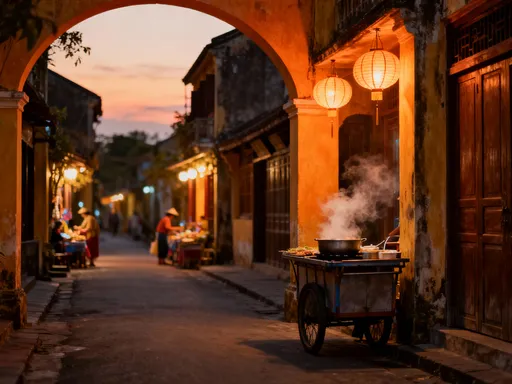
In summer, street fairs known as mahalle panayırı pop up in districts like Beykoz and Bakırköy. These are not tourist markets but neighborhood gatherings, often organized by local associations or mosques. Grills sizzle with kokoreç—spiced lamb intestines wrapped around skewers and slowly roasted. The smell is strong, even confrontational to some, but for many Istanbulites, it’s the essence of summer celebration. Families gather at plastic tables under string lights, sharing plates with pickled peppers and fresh bread. Nearby, women sell güllaç, a delicate milk-and-rosewater dessert layered with paper-thin starch leaves, traditionally served during Ramadan but now enjoyed year-round at festivals.
What makes these foods more than snacks is their role in connection. I once sat beside an elderly woman at a spring festival in Kadıköy, watching her carefully fold a piece of künefe into a napkin. “For my grandson,” she said. “He loves the cheese pull.” We talked as she told me how her mother made it during Hıdırellez, using copper pans passed down through generations. The vendor, noticing our conversation, offered me a small plate. “Try it while it’s hot,” he said with a smile. That moment—simple, unplanned—was more meaningful than any five-star meal. Festival food in Istanbul is not about luxury; it’s about memory, generosity, and the quiet joy of sharing.
Navigating the Crowd: Practical Tips for Festival-Goers
Experiencing Istanbul’s festivals is rewarding, but it requires preparation and awareness. Many events draw large crowds, especially during major religious holidays like Eid or Ramadan. Public transportation can become extremely crowded, and certain neighborhoods may be closed to vehicles during processions. To avoid frustration, it’s wise to plan ahead. Check local news or municipal websites for updates on street closures or metro adjustments. Traveling early in the day or just after sunset—when events begin—can help avoid peak congestion.
Dress is another important consideration. While Istanbul is a modern city, many festivals have religious or cultural significance, and modest attire is appreciated. For women, this often means covering shoulders and knees; for men, avoiding sleeveless shirts or shorts in sacred spaces. At Mevlevi ceremonies or mosque-adjacent events, removing shoes before entering is customary. Carrying a lightweight scarf or shawl can be useful for quick adjustments. Comfortable walking shoes are essential—many celebrations take place in historic districts with cobblestone streets and uneven sidewalks.
Photography should always be approached with care. While many festivals welcome respectful photos, some rituals—especially religious ones—are not meant to be recorded. If in doubt, observe others. If no one is using cameras, it’s best to refrain. When in doubt, ask quietly. A simple gesture or softly spoken “May I take a photo?” goes a long way. Similarly, joining dances or rituals should only be done if invited. At a Hıdırellez gathering in Göztepe Park, I watched for a while before an older man motioned me to join the circle. “Come,” he said. “The dance is for everyone.” That moment of inclusion was powerful—but it came from permission, not presumption.
When Tradition Meets Modern Life: Youth and Innovation in Festival Spaces
One of the most encouraging signs in Istanbul’s festival culture is the growing involvement of younger generations. Rather than abandoning tradition, many young artists, musicians, and designers are reimagining it. During the annual Istanbul Design Week, old hamams and disused warehouses become galleries for installations that blend Ottoman motifs with digital art. At a recent event in a restored bathhouse in Çemberlitaş, a projection mapped centuries-old tile patterns onto moving water, creating a mesmerizing interplay of past and present.
Music, too, is being reinvented. In Kadıköy’s underground scene, DJs mix traditional saz melodies with electronic beats, creating a sound that feels both ancient and futuristic. At a summer festival in Moda, I heard a live remix of a folk song I’d only known in its original form. The crowd—mostly in their twenties and thirties—danced with their arms linked, smiling as the familiar tune pulsed through speakers. These innovations don’t erase tradition; they extend it, making it relevant to a new era.
Pop-up markets during cultural weeks also reflect this blend. Young artisans sell hand-printed scarves featuring calligraphy, ceramic mugs with modern interpretations of Iznik patterns, or notebooks bound in repurposed book covers. These items aren’t mass-produced souvenirs—they’re thoughtful creations that honor heritage while embracing creativity. The message is clear: tradition doesn’t have to be frozen in time to be respected. It can evolve, adapt, and inspire—especially when guided by those who grow up within it.
Why These Moments Matter: The Deeper Value of Cultural Immersion
Attending a local festival in Istanbul is not just about seeing something different—it’s about becoming part of something larger. In an age of fast travel and curated experiences, these moments offer a rare depth. They remind us that culture is not a display behind glass but a living, breathing practice. To sit in silence during a Mevlevi ceremony, to share a plate of lokma with a stranger, to dance in a circle under the stars—these are acts of connection that transcend language, nationality, or belief.
More than sightseeing, they are invitations to empathy. When we participate respectfully in another’s tradition, we open ourselves to understanding. We learn that joy, grief, hope, and reverence are universal—even when expressed in different forms. A grandmother lighting a candle for her grandson’s health, a teenager filming a folk dance on her phone, a vendor offering a free taste to a curious traveler—these small acts weave a shared humanity.
For the traveler, especially one seeking meaning beyond the surface, these experiences are transformative. They require patience, humility, and presence. But the reward is immeasurable: not just memories, but a deeper sense of belonging to the world. Istanbul, with its layered history and vibrant present, offers a perfect stage for this kind of travel. Its festivals do not hide. They wait—quietly, generously—for those willing to step off the path, listen, and say yes to the unexpected.
Festivals in Istanbul aren’t just events—they’re invitations. They remind us that travel at its best is about shared joy, curiosity, and presence. The real city doesn’t hide; it welcomes, dances, and feeds you if you’re willing to step in. Go not just to see, but to feel. That’s where the journey truly begins.