How I Upgraded My Fun Without Breaking the Bank — Smart Moves That Actually Work
We all love entertainment — concerts, streaming, dining out, weekend getaways. These moments bring joy, connection, and a break from daily routines. But over time, those little pleasures can quietly drain your wallet. I used to think upgrading my lifestyle meant spending more, until I realized the real win was spending smarter. This isn’t about cutting fun — it’s about protecting your money while enjoying more. Too many women in their 30s, 40s, and 50s feel torn between wanting to treat themselves and staying financially secure. The truth is, you don’t have to choose. With thoughtful planning and a few strategic shifts, you can experience richer, more fulfilling enjoyment without the stress of overspending. Here’s how I rethought my entertainment spending to get better value, avoid regrets, and still feel like I’m living well.
The Hidden Cost of "Just a Little Fun"
Entertainment spending often flies under the radar, dismissed as harmless or too small to matter. A $15 streaming subscription here, a $50 concert ticket there, lunch with friends that turns into $80 with drinks and tip — none of it feels like a big deal in the moment. But when these expenses repeat month after month, they accumulate into a significant financial leak. For many women managing household budgets, the real danger isn’t one large splurge, but the steady drip of untracked leisure spending. What starts as occasional enjoyment can subtly shift into habitual consumption, where saying yes becomes automatic and budgeting becomes an afterthought.
Consider the common scenario of subscription stacking. It’s easy to sign up for a new service during a free trial, only to forget about it once the trial ends. Before long, a household might be paying for three or four streaming platforms, a meal kit delivery, a fitness app, and a digital magazine bundle — all for the sake of convenience or variety. Individually, each cost seems minor. Together, they can total over $200 a month — more than some people spend on groceries. That’s not just money lost; it’s money that could have gone toward a vacation fund, home improvement, or retirement savings. The emotional appeal of instant access and convenience masks the long-term cost.
Another hidden expense comes from impulse event purchases. Social media makes it easier than ever to see what others are doing — a friend posts from a rooftop bar, a celebrity announces a surprise show, a local festival pops up with limited-time tickets. The fear of missing out, or FOMO, drives many to buy without planning. These decisions are often made emotionally, not financially. The momentary thrill of joining in can lead to a $100 charge on a credit card that wasn’t in the budget. Over time, these one-off events become a pattern, creating cash flow stress and even debt. The irony is that the very activities meant to relieve stress end up causing financial anxiety.
What makes this type of spending especially dangerous is how justified it feels. Unlike impulse clothing buys or unnecessary gadgets, leisure spending is tied to self-care, family time, and mental well-being. It’s easy to rationalize: "I deserve this," "It’s just once in a while," or "The kids had fun." And while those feelings are valid, they can cloud judgment. The key is not to eliminate fun, but to bring awareness to how much it’s costing and whether it’s truly delivering value. When small joys become automatic rather than intentional, they stop enriching life and start eroding financial stability. Recognizing this pattern is the first step toward change.
Redefining Consumption Upgrade: More Value, Not Just More Spending
Most people assume that upgrading their lifestyle means spending more money — dining at fancier restaurants, attending premium events, or booking luxury stays. But true upgrading isn’t about increasing expenditure; it’s about increasing satisfaction per dollar spent. A consumption upgrade, from a financial perspective, means getting more meaning, memory, and enjoyment from each dollar allocated to leisure. This shift in mindset separates those who feel financially strained from those who feel in control, even when enjoying similar activities.
Think of it like upgrading your wardrobe not by buying more clothes, but by investing in timeless, well-fitting pieces that last longer and make you feel confident. The same principle applies to entertainment. Instead of chasing the newest trend or most expensive option, focus on what brings lasting value. A quiet weekend hike with your family may create deeper memories than a crowded amusement park. A homemade dinner with candlelight and music might deliver more intimacy than a rushed restaurant meal. The goal is not to downgrade your experience, but to align it with what truly matters to you.
This requires redefining what “value” means. For some, value is convenience — saving time and effort. For others, it’s connection — strengthening relationships. For many, it’s novelty — experiencing something new or different. Once you identify your personal value drivers, you can make smarter choices. For example, if connection is your priority, you might choose smaller, more meaningful gatherings over large events where you barely talk to anyone. If novelty is important, you might plan one special trip a year instead of several generic outings. By focusing on quality over quantity, you reduce waste and increase fulfillment.
Another aspect of smart upgrading is timing. Enjoyment doesn’t have to happen at peak prices. Seeing a movie on opening weekend costs more in both ticket price and emotional energy due to crowds. Waiting a week can save money and improve the experience. The same goes for travel — flying mid-week, booking during shoulder seasons, or choosing off-peak hours at attractions can dramatically reduce costs while enhancing comfort. These small delays or adjustments don’t diminish the fun; they often enhance it by removing stress and overcrowding.
The mindset shift here is crucial. Instead of asking, "Can I afford this?" start asking, "Is this the best use of my money for the joy it brings?" This simple question changes the entire decision-making process. It moves you from reactive spending to intentional enjoyment. It allows you to say no to low-value activities without guilt and yes to high-value ones with confidence. When you upgrade your thinking, you upgrade your life — not through spending more, but through spending wisely.
Risk in Entertainment? Yes, and It’s Bigger Than You Think
Most people don’t consider entertainment a financial risk zone. After all, it’s not the mortgage or medical bills — it’s supposed to be fun. But unmanaged leisure spending carries real risks that can undermine long-term financial health. The biggest danger is lifestyle inflation — the gradual increase in spending as income rises. When you get a raise or bonus, it’s tempting to treat yourself with more dinners out, better seats at events, or fancier vacations. While occasional rewards are healthy, making them permanent habits can trap you in a cycle of higher spending without greater savings.
This pattern is especially common among women who manage both household and personal budgets. As children grow older and responsibilities shift, there’s often a desire to reclaim personal time and enjoyment. That’s natural and healthy. But without boundaries, that reclaimed time can come with reclaimed spending — more salon visits, weekend trips, online shopping sprees. What starts as self-care can become financial overextension. The problem isn’t the spending itself, but the lack of awareness and planning around it.
Another major risk is psychological anchoring to short-term pleasure. The brain is wired to respond strongly to immediate rewards. A night out with friends feels good right now, while saving for retirement feels abstract and distant. This creates a bias toward instant gratification, even when it harms long-term goals. Entertainment spending, because it’s tied to emotion and social connection, is particularly effective at bypassing rational decision-making. You’re not just buying a ticket — you’re buying inclusion, excitement, and a break from routine. That emotional payoff makes it harder to say no, even when the financial cost is high.
FOMO, or the fear of missing out, amplifies this risk. Social media constantly showcases others’ experiences — exotic vacations, sold-out shows, exclusive parties. These images create pressure to keep up, even if your budget doesn’t allow it. The result? Overspending on events or experiences that may not even align with your values. You attend a pricey wine tasting because your sister posted about hers, not because you enjoy wine. You book a last-minute getaway because everyone else is traveling, even though you’re tired and would rather stay home. These choices, driven by comparison rather than desire, lead to financial strain and emotional dissatisfaction.
The opportunity cost of entertainment spending is also often overlooked. Every dollar spent on a concert is a dollar not saved, invested, or used for future security. Over time, these missed opportunities add up. For example, spending $3,000 a year on discretionary fun could amount to over $100,000 in lost investment growth over 20 years, assuming a modest annual return. That’s not a condemnation of spending — it’s a reminder that every choice has a trade-off. Recognizing entertainment as a risk area doesn’t mean cutting back; it means making choices with eyes wide open.
Building Your Personal Entertainment Budget Guardrails
Setting limits on fun doesn’t mean living without joy — it means creating freedom through structure. Just as a garden needs boundaries to thrive, your entertainment spending benefits from clear guardrails. These aren’t rigid restrictions, but flexible guidelines that help you enjoy more without guilt or stress. The goal is not deprivation, but intentionality. When you know how much you can comfortably spend, you can relax and truly enjoy the moment, knowing you’re not jeopardizing your financial future.
The first step is assessing your current spending. For one month, track every dollar spent on entertainment — streaming services, dining out, events, hobbies, travel, even small impulse buys like coffee on the way to a movie. Use a notebook, spreadsheet, or budgeting app to record each transaction. At the end of the month, review the total. You might be surprised by how much adds up. This isn’t about judgment; it’s about awareness. Once you see the full picture, you can make informed decisions about what to keep, reduce, or eliminate.
Next, categorize your spending into needs and wants. Needs are activities essential to your well-being or family life — perhaps a weekly family dinner or a monthly book club that supports your mental health. Wants are discretionary pleasures — extra concerts, premium subscriptions, or spontaneous outings. There’s no moral difference between the two, but distinguishing them helps you prioritize. You can then set personalized spending caps for each category. For example, you might allow $150 per month for dining out and $50 for events. These numbers should reflect your income, goals, and values — not someone else’s budget.
One effective method is using a separate account or envelope system for entertainment funds. Transfer your monthly budget into a dedicated account or physical envelope at the start of the month. Once the money is gone, no more spending in that category until the next cycle. This creates a visual and psychological boundary that reduces overspending. Another helpful rule is the 24- to 72-hour delay for purchases over a certain amount, say $75. This pause allows emotions to settle and gives you time to evaluate whether the expense aligns with your priorities. Often, the urge passes, or you find a better alternative.
Guardrails also include regular check-ins. Set a monthly calendar reminder to review your entertainment spending against your budget. Celebrate wins — like sticking to your cap or finding a free alternative you loved. Adjust as needed — maybe you overspent one month but can compensate the next. The key is consistency, not perfection. Over time, these boundaries become habits, giving you greater control and peace of mind. With guardrails in place, you’re not limiting fun — you’re protecting it.
Strategic Substitution: Getting 10x Enjoyment for Half the Cost
Not all fun costs the same, and not all spending delivers equal satisfaction. The secret to upgrading your lifestyle without overspending lies in strategic substitution — replacing high-cost, low-impact activities with affordable alternatives that bring deeper joy. This isn’t about settling for less; it’s about optimizing for more. By shifting where and how you spend, you can often get ten times the enjoyment for half the price.
Take event timing, for example. Seeing a popular show on opening night means paying premium prices and dealing with crowds. But attending a mid-week performance a few weeks later can cut ticket costs by 30% or more, while offering a more relaxed experience. The same applies to travel. Booking a beach trip during the off-season might reduce accommodation costs by half, while providing quieter beaches and better service. You’re not missing out — you’re gaining comfort and value.
Loyalty stacking is another powerful tool. Many venues, restaurants, and services offer rewards programs, but few people maximize them. By combining a store credit card with a cashback app and a membership discount, you can significantly reduce the final cost. For instance, using a card that offers 3% back on dining, paired with a platform that gives $5 off a $25 meal, turns a $100 dinner into $87 after rebates. Over time, these savings add up, freeing up money for other experiences.
Experience bundling is another smart strategy. Instead of spending $20 here and $30 there on separate outings, plan a themed day or weekend that combines multiple low-cost activities. A picnic in the park, followed by a free outdoor concert and a homemade dessert at home, can feel more special than a rushed restaurant visit. The key is intentionality — designing experiences that align with your interests and values, rather than defaulting to expensive defaults.
Shared access models also multiply value. Instead of each family member having their own streaming subscription, rotate services monthly. One month focus on documentaries, the next on comedy, then music concerts. This keeps content fresh and reduces monthly costs. Group memberships, like joining a community theater or fitness class with friends, can also lower individual fees while strengthening relationships. The result is richer experiences at a fraction of the cost.
The goal of strategic substitution isn’t frugality for its own sake — it’s about making every dollar work harder for your happiness. When you replace wasteful spending with high-value alternatives, you don’t feel deprived. You feel empowered. And that empowerment leads to more confident, joyful living.
Using Technology Wisely — Tools That Help, Not Hurt
Technology can be a powerful ally in managing entertainment spending — or a constant temptation. Streaming platforms use algorithms to keep you watching, ticketing sites highlight “limited availability” to trigger urgency, and food delivery apps offer one-click ordering that bypasses thoughtful decision-making. Left unchecked, digital tools can lead to overspending and regret. But when used intentionally, they can support smarter choices and greater control.
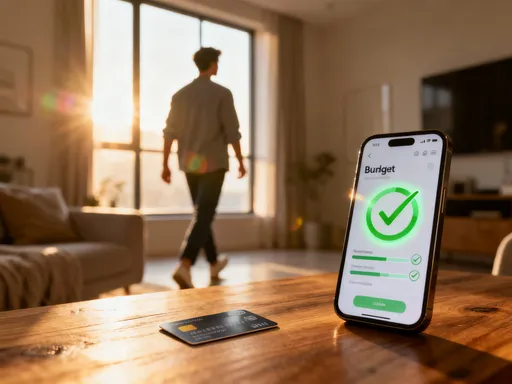
Budgeting apps are among the most effective tools. They automatically track spending, categorize transactions, and send alerts when you approach your limits. Some even allow you to set up separate envelopes for entertainment, dining, and travel. By syncing your accounts, you get a real-time view of your spending, making it easier to stay within your guardrails. The key is consistency — reviewing your data weekly and adjusting habits as needed.
Price trackers and deal alerts can also save money. Browser extensions notify you when prices drop on event tickets or travel packages. Calendar alerts remind you of subscription renewals, so you can cancel or pause before being charged. These small nudges prevent automatic spending and give you time to evaluate whether the purchase is still worthwhile.
To reduce temptation, adjust your digital settings. Turn off push notifications from shopping and ticketing apps. Unsubscribe from promotional emails that trigger impulse buys. Use browser blockers to limit access to high-spending sites during vulnerable times, like late evenings. These steps don’t eliminate choice — they create space for better decisions.
You can also use technology to discover low-cost alternatives. Local event calendars, library programs, and community boards often list free or affordable activities. Social media groups focused on your city or interests can reveal hidden gems — a free yoga class in the park, a pop-up art exhibit, a neighborhood potluck. By shifting your digital consumption from advertising-driven platforms to community-focused ones, you gain access to richer, more meaningful experiences at lower cost.
The goal is to turn technology from a distraction into a tool for accountability. When used wisely, it supports your financial goals without sacrificing enjoyment. It helps you spend intentionally, avoid regret, and make room for the fun that truly matters.
Long-Term Gains: When Smarter Fun Fuels Bigger Goals
When entertainment spending is optimized, the benefits extend far beyond the monthly budget. The money saved from smarter choices can be redirected toward long-term financial goals — building an emergency fund, paying down debt, investing for retirement, or planning a dream vacation. Small discipline in daily enjoyment creates space for bigger dreams. What feels like a minor cut today can become a major gain tomorrow.
Consider this: reducing discretionary spending by $200 a month doesn’t mean living with less. It means redirecting that money toward security and freedom. Over a year, that’s $2,400. Over five years, with modest investment growth, it could grow to over $15,000. That’s enough for a down payment on a second home, a career transition fund, or a sabbatical to travel with family. The power of compounding turns small, consistent choices into life-changing outcomes.
More importantly, smarter spending brings peace of mind. When you know your fun is within your means, you can enjoy it fully, without guilt or anxiety. You’re not worried about the credit card bill next month or whether you’re falling behind on savings. This emotional freedom is priceless. It allows you to be present in the moment, truly savoring the experience, because you’re not mentally calculating the cost.
True financial freedom isn’t about having unlimited money — it’s about having control. It’s knowing you can enjoy life today while still building for tomorrow. When fun is intentional, balanced, and risk-aware, it becomes a source of strength, not stress. You’re not denying yourself pleasure; you’re elevating it. And that’s the real upgrade — not in what you spend, but in how you live.