How I Learned to Stop Fear-Mongering and Start Smart Installment Planning
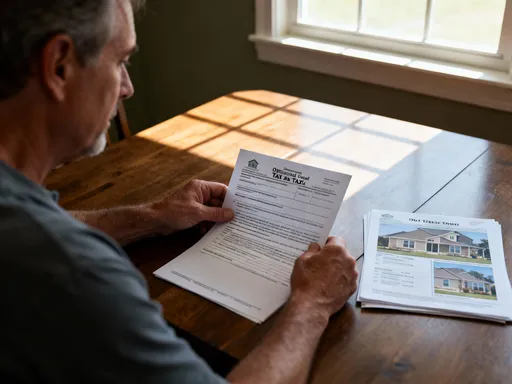
I used to think installment payments were a trap—another sneaky way to spend money I didn’t have. But after one too many budget meltdowns, I gave them a second look. Turns out, they’re not the enemy if you know how to assess the risks. This is how I shifted from panic to control, turning payments into a tool instead of a threat. What changed wasn’t the system—it was my understanding. I began to see installment plans not as shortcuts to overspending but as structured financial tools that, when used wisely, could align with long-term stability. The turning point came when I stopped reacting emotionally and started evaluating each offer with clear, practical criteria. This journey wasn’t about eliminating risk—it was about managing it with confidence and clarity.
The Moment Everything Changed
There was a time when the idea of spreading a purchase over several months felt like borrowing trouble. I remember the exact moment that mindset began to shift—sitting on my couch, laptop box unopened, phone in hand, staring at the confirmation email for a six-month installment plan. At first, I felt relief. The price tag had been steep, but broken into monthly chunks, it seemed manageable. I told myself I was being smart, stretching my budget without overextending. But within hours, doubt crept in. What if my hours got cut at work? What if an unexpected bill came in next month? Would missing one payment snowball into something worse? That night, I barely slept, not because I couldn’t afford the laptop, but because I realized I hadn’t truly planned for what could go wrong.
That single purchase became a wake-up call. It wasn’t just about the item or the payment schedule—it was about the invisible pressures that come with financial commitments. I had assumed that as long as the monthly amount fit my current budget, I was safe. But life isn’t static. Income fluctuates. Emergencies arise. And financial tools that seem helpful in calm waters can become dangerous in a storm if you’re not prepared. I began to see that installment plans weren’t inherently risky, but using them without a risk assessment was like driving without a seatbelt. The vehicle wasn’t the problem—the lack of protection was.
This moment sparked a deeper investigation. I started reading about how installment financing works, not from marketing materials, but from consumer reports, financial education sites, and real user experiences. I learned that many people share this same anxiety—not because they’re bad with money, but because the system often presents these plans as frictionless solutions without highlighting the responsibilities they carry. My emotional response—first pride, then fear—was common. But what mattered most was what I did next. Instead of rejecting installment plans altogether, I decided to understand them fully, to build a framework that would let me use them without fear. That shift—from avoidance to informed engagement—was the real turning point.
What Installment Payments Really Are (And What They’re Not)
One of the biggest misconceptions about installment payments is that they’re a form of free money or a harmless way to delay payment. In reality, they are structured financial agreements that require discipline and foresight. An installment plan breaks a large purchase into smaller, fixed payments over a set period—typically three to twelve months, though some extend longer. These plans are often offered by retailers, online platforms, or third-party financing companies and may include interest, fees, or both. Unlike impulsive credit card swipes, installments create a predictable repayment schedule, which can be helpful—if managed correctly. But they are not a substitute for budgeting, nor are they a solution for chronic cash flow problems.
What makes installment plans different from other forms of credit is their simplicity and transparency—at least in theory. Unlike credit cards, which allow revolving debt and variable payments, installment plans lock in both the amount and the timeline. This structure can be beneficial for people who struggle with self-control, as it removes the temptation to keep charging. However, this same rigidity can become a liability if circumstances change. Missing a payment on an installment plan can result in late fees, penalty interest, and in some cases, immediate full balance demands. More importantly, many providers report payment history to credit bureaus, meaning a missed payment can damage your credit score just like a defaulted loan.
It’s also important to distinguish installment plans from high-cost alternatives like payday loans or rent-to-own agreements. Payday loans often carry annual percentage rates (APRs) well over 300%, trap borrowers in cycles of debt, and are generally discouraged by financial experts. Rent-to-own models can result in paying two to three times the retail price over time. In contrast, many installment plans—especially those labeled “interest-free” or “no credit check”—can be reasonable options when used for planned purchases. But even these come with risks. For example, “interest-free” doesn’t always mean “fee-free.” Some plans charge origination fees, rescheduling costs, or impose penalties for early repayment. The key is understanding the full terms, not just the headline offer.
Another common confusion is between installment plans and traditional personal loans. While both involve fixed payments over time, personal loans usually require a credit check, come from banks or credit unions, and may offer lower interest rates due to stronger regulation. Installment plans offered at checkout—especially online—often bypass traditional lending standards, which can make them accessible but also less protected. This accessibility is a double-edged sword: it helps people with limited credit history make necessary purchases, but it also means less oversight and fewer consumer safeguards. Recognizing these differences helped me stop seeing all installment plans as the same and start evaluating them based on their actual structure and terms.
Why Risk Assessment Matters More Than the Price Tag
When I first started using installment plans, I focused almost entirely on the monthly payment. If it fit within my budget, I assumed I was safe. “Only $40 a month,” I’d tell myself, ignoring the bigger picture. But over time, I realized that affordability isn’t just about today’s income—it’s about tomorrow’s uncertainties. The real question isn’t whether I can pay $40 this month, but whether I can still pay it if my child gets sick, my car needs repairs, or my work hours are reduced. This shift in thinking—from surface-level affordability to deeper risk assessment—was one of the most valuable lessons I learned.
Risk assessment in personal finance means evaluating your ability to meet financial obligations under less-than-ideal conditions. It’s not pessimism—it’s prudence. Just as a homeowner inspects a house before buying, or a traveler checks the weather before a trip, a smart consumer evaluates the stability of their income, the size of their emergency fund, and the total weight of their existing debts before committing to a new payment plan. I began asking myself a series of questions before every installment decision: Do I have at least three months of living expenses saved? Is my income consistent, or does it vary month to month? Am I already carrying credit card debt or other loans? If I lose even one source of income, can I still cover this payment?
These questions helped me create a personal risk profile. For example, if I was between jobs or working part-time with irregular hours, I knew that taking on a six-month installment plan was riskier than if I had a stable, full-time salary. Similarly, if my emergency fund was low, I prioritized building it up before making any financed purchases. I also started tracking my debt-to-income ratio—not formally, but roughly—by adding up all my monthly debt payments and comparing them to my net income. Financial advisors often suggest keeping this ratio below 36%, and while I didn’t aim for perfection, having a general sense of it helped me avoid overcommitting.
Another important factor was timing. I learned that just because a payment fits into my current budget doesn’t mean it fits into my life. For instance, signing up for a new installment plan in December—when holiday expenses are high—could strain my finances even if the monthly amount seems small. I started aligning installment decisions with my annual cash flow, avoiding new commitments during months when I knew other bills would come due. This proactive approach transformed how I viewed installment plans: not as isolated transactions, but as part of a larger financial ecosystem. The price tag was just the entry point; the real cost was the risk I was willing to carry.
The Hidden Traps No One Talks About
Even when an installment plan seems straightforward, there are often hidden risks that aren’t obvious at first glance. I learned this the hard way when I signed up for a “no interest, no fees” plan on a home appliance, only to discover later that rescheduling a single payment would cost $25. I hadn’t read the fine print, and when an unexpected medical bill came up, I had to postpone my payment—only to be hit with a fee I hadn’t anticipated. That experience taught me that “no fees” often means “no upfront fees,” not “no fees under any circumstances.” These small print details can turn a seemingly safe plan into a financial burden.
Another trap is automatic enrollment in credit-building programs. Some installment providers offer to report your payment history to credit bureaus—but sometimes they do it by default, without clear consent. While on-time payments can help build credit, missed payments can damage it. I once delayed a payment by just five days due to a bank processing error, and weeks later, I noticed a slight drop in my credit score. I hadn’t realized the provider reported to bureaus, and I hadn’t been warned that even minor delays could have consequences. This experience made me more cautious about which providers I work with and what permissions I grant.
Inflexible payment dates are another common issue. Many installment plans lock you into a specific due date each month, often tied to the original purchase date. If that date falls during a tight week in your budget cycle—say, right before rent is due—it can create unnecessary stress. Some providers don’t allow date changes, or charge a fee to do so. I now check whether a provider offers flexible scheduling before agreeing to a plan. If not, I reconsider whether the timing works with my cash flow. Similarly, some plans require automatic bank withdrawals, which can lead to overdraft fees if your account balance is low on the payment date. I’ve started setting calendar reminders and ensuring funds are available a few days in advance to avoid these issues.
Perhaps the most overlooked risk is the psychological effect of installment plans. Because the monthly amount seems small, it’s easy to justify multiple financed purchases at once. I once had three separate installment plans running simultaneously—laptop, phone, and furniture—without realizing how much they added up. Individually, each payment was “affordable,” but together, they consumed nearly 20% of my monthly income. This kind of fragmented debt can be harder to track than a single credit card balance, leading to overspending and financial strain. Now, I treat each installment plan like a real loan and track them all in one place, just as I would with any other financial obligation.
Building Your Own Risk-Proof System
After a few missteps, I realized I needed a consistent method to evaluate installment offers—not just react to them. I developed a personal risk-assessment system that’s simple but effective. It doesn’t require financial expertise, just discipline and a few key habits. The first step is checking my current cash flow. Before considering any installment plan, I review my income and expenses for the next three months. I look for upcoming bills, seasonal costs, and any potential disruptions. If my budget is tight in the coming weeks, I delay the purchase, even if the item is on sale.
The second step is running a “what-if” scenario. I ask myself: What if I lose 20% of my income? What if I have an unexpected medical or car repair bill? Can I still afford this payment without cutting essentials like groceries or utilities? If the answer is no, I either save up for the item or look for a cheaper alternative. This mental exercise helps me prepare for real-life volatility and avoid overconfidence in stable times.
The third step is verifying the provider’s terms. I now read the full agreement, not just the promotional summary. I look for details on late fees, rescheduling policies, credit reporting, and early repayment options. If the terms are unclear or seem unfair, I walk away. I also check online reviews and consumer forums to see if others have had issues with the provider. Reputation matters—especially when you’re entrusting someone with your payment history.
Finally, I enforce a 48-hour waiting rule. No matter how urgent or appealing the offer seems, I wait two days before confirming. This pause allows emotions to settle and gives me time to research, reflect, and consult with a trusted friend or family member if needed. Impulse is the enemy of smart finance, and this simple delay has saved me from several regrettable decisions. Together, these steps form a system that turns installment planning from a gamble into a deliberate choice—one based on clarity, not convenience.
When Installments Work—and When They Don’t
Not every purchase deserves an installment plan, and learning to distinguish between good and bad uses has been crucial. I’ve found that installments work best for durable, high-value items that provide long-term value—like laptops, refrigerators, or furniture. These are things I’ll use for years, and spreading the cost over time makes them more accessible without sacrificing quality. In these cases, the benefit outweighs the risk, especially if the plan has low or no interest. I treat these purchases like investments in my household’s stability and efficiency.
On the other hand, I avoid using installments for items that lose value quickly or are purely discretionary. For example, I once financed a pair of designer headphones that I thought I’d use daily—only to realize I preferred my old ones. By the time I admitted the purchase was a mistake, I was locked into six months of payments for something I rarely used. That taught me to reserve installment plans for essentials or high-utility items, not luxuries or impulse buys. I now apply a simple rule: if it’s not necessary and won’t last, I pay in full or save up.
Another key factor is income stability. If I’m in a period of irregular income—like freelance work or seasonal employment—I avoid new installment commitments altogether. The risk of missing a payment is too high. Instead, I focus on building savings and wait until my income is more predictable. Conversely, when my work schedule is steady and my expenses are under control, I feel more confident using installments for planned upgrades. Timing, in this sense, is everything.
I also consider the purpose of the purchase. If it’s going to improve my earning potential—like a reliable laptop for remote work—I’m more willing to finance it. If it’s purely for entertainment or status, I’m far more cautious. This mindset shift—from spending as consumption to spending as strategy—has transformed how I use installment plans. They’re no longer about getting things I want now; they’re about building a more stable, capable life over time.
From Fear to Freedom: Turning Payments Into Power
Looking back, my initial fear of installment payments wasn’t really about the plans themselves—it was about the fear of losing control. I worried that one misstep would lead to debt, damaged credit, and financial shame. But through trial, error, and careful learning, I discovered that the opposite is possible. When used with awareness and discipline, installment plans can become tools of empowerment. They allow me to make necessary purchases without draining my savings, as long as I assess the risks honestly and plan accordingly.
The biggest change has been in my mindset. I no longer see payments as threats, but as commitments I choose to make with full understanding. I’ve learned that patience beats impulse, clarity beats convenience, and preparation beats panic. These principles apply far beyond installment plans—they’re the foundation of lasting financial health. I still say no to most offers, not because I can’t afford them, but because I’ve learned to prioritize long-term stability over short-term satisfaction.
Today, I use installment plans strategically, almost like budgeting tools. I track them alongside my other expenses, plan for them in advance, and never let them exceed a small portion of my monthly income. I’ve also built a stronger emergency fund and improved my financial literacy, which gives me confidence even when life throws surprises my way. The goal isn’t to avoid all risk—that’s impossible. The goal is to manage it wisely, so that every financial decision, big or small, supports the life I’m trying to build. In that sense, installment planning isn’t just about paying for things—it’s about taking control of your financial future, one thoughtful decision at a time.